Views: 0 Author: Site Editor Publish Time: 2026-07-20 Origin: Site
Slow freezing creates massive intracellular ice crystals inside raw meat tissues. These sharp crystals physically puncture cellular walls during the cooling process. You will inevitably see severe drip loss or shrinkage when thawing begins. Processors lose crucial product weight. They also sacrifice premium visual appeal and texture. Standard refrigeration equipment simply cannot handle this extreme thermal demand. To safely chill bulk products, you must use a specialized commercial system engineered for rapid temperature pull-down. Maximizing yield and ensuring food safety compliance requires a complete shift in operational focus. Stop looking at basic temperature ratings alone. You must actively optimize three critical mechanical components instead. Total processing success depends entirely on perfecting airflow design, calibrating aggressive defrost cycles, and specifying exact evaporator coil dimensions designed for high moisture loads.
A purpose-built meat blast freezer mitigates weight loss (shrinkage) by bypassing the critical freezing zone (31°F to 23°F) rapidly, preserving cellular integrity.
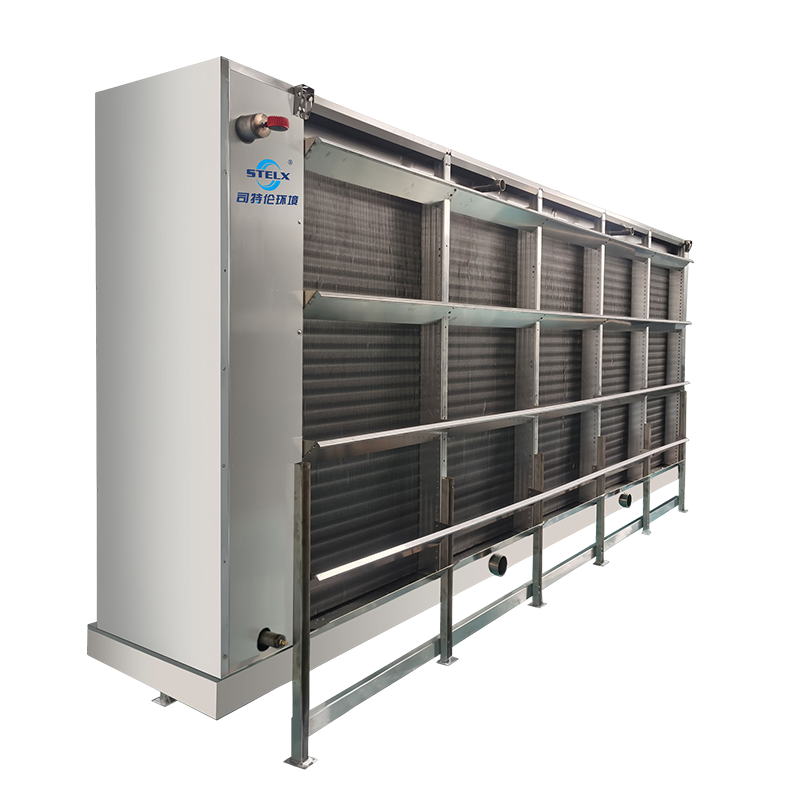
Selecting the right blast freezer evaporator with wide fin spacing (typically 8mm–12mm) is mandatory to prevent premature frost choking from the high moisture off-gassing of warm meat.
Airflow velocity (minimum 1,000–1,500 FPM) and precise racking configurations are just as critical as raw cooling capacity for ensuring uniform temperature drops.
Hot gas defrost systems offer the lowest operational downtime and best energy efficiency for continuous processing lines compared to standard electrical defrosts.
Many facilities try using standard holding rooms for freezing raw meat. This approach introduces major technical failure points into the production line. Standard rooms lack the airflow and cooling capacity needed to remove heat quickly. This causes prolonged freezing times. Bacteria thrive during these extended cooling windows, risking severe food safety violations. Operators also face severe drip loss because the freezing process remains simply too slow. Ice crystals grow massive over several days, shredding the internal cellular structure of the meat.
Different meat categories require unique cellular integrity management strategies. A beef blast freezer must handle high-density, heavy-mass cuts like quarters or thick primals. You need sustained, high-static pressure to push cold air deeply into dense pallets. Massive cuts resist core temperature changes, demanding relentless air velocity. Alternatively, a chicken blast freezer manages smaller items offering high surface area. These processors often need Rapid IQF (Individually Quick Frozen) capabilities. Fast IQF processing prevents wet product clumping and avoids surface freezer burn.
Framing your equipment decision around yield preservation makes the financial case obvious. A standard cold room dehydrates the product over several days of slow cooling. Fast phase-change cooling locks internal moisture tightly inside the muscle fibers. A 2% to 3% reduction in drip loss generates massive revenue retrieval for any high-volume plant. This salvaged product weight directly funds the CAPEX of your upgraded refrigeration system.
System Type | Cooling Speed | Cellular Damage Level | Estimated Drip Loss Impact |
|---|---|---|---|
Standard Cold Room | Slow (48 to 72 Hours) | High (Large Ice Crystals) | 3% to 7% Total Weight Loss |
Purpose-Built Blast System | Rapid (12 to 24 Hours) | Minimal (Micro-Crystals) | Under 1% Total Weight Loss |
Warm, freshly slaughtered meat emits massive amounts of steam and vapor. Standard refrigeration coils flash-freeze this ambient moisture immediately upon contact. This rapid icing blocks airflow within a few hours of operation. You cannot achieve target internal temperatures when heavy frost chokes the system. The refrigeration cycle basically suffocates.
You must dictate specific design parameters to overcome this extreme moisture load. Mandate 8mm to 12mm fin spacing on any blast freezer evaporator you purchase. Some specialized facilities use variable spacing instead, wider at the air entry point and narrower at the exit. Wide gaps allow necessary frost accumulation across the shift without restricting CFM (Cubic Feet per Minute). Wide fins keep air moving vigorously between required defrost intervals.
Coil depth and total surface area create an engineering trade-off. Thicker coils provide more total surface area for heat exchange. However, deep coils require significantly higher fan pressure to push air completely through the dense block. We strongly recommend deep-draw, staggered-tube configurations. Staggered tubes maximize heat transfer efficiency while managing frost buildup evenly across the entire face.
Material selection dictates long-term equipment lifespan. Meat processing environments remain highly corrosive over time.
Blood off-gassing: Raw meat releases acidic compounds into the room atmosphere, eating away unprotected metals.
Sanitization chemicals: Aggressive CIP (Clean-in-Place) daily washdowns destroy standard raw aluminum fins quickly.
Coating solutions: Epoxy-coated fins prevent pitting and rapid oxidation, extending operational life.
Premium options: Full stainless steel tubes and fins offer maximum durability for harsh chemical washdown zones.
Many plant managers fixate entirely on total cooling capacity while ignoring delivery mechanisms. High CFM alone guarantees nothing. You must prioritize air velocity over sheer volume. Target 1,000 to 1,500 FPM (Feet Per Minute) directly across the product surface. Fast-moving air breaks the invisible thermal boundary layer surrounding the warm meat. Stripping away this heat layer rapidly accelerates the core freezing process.
Fan selection separates successful setups from costly failures. Axial fans move large air volumes but struggle against heavy physical resistance. Centrifugal blowers provide far better static pressure. You need high-static pressure fans to force air forcefully through boxed meat. Cold air must penetrate tightly spaced carcasses hanging on rails. It should never simply flow around the pallet exterior.
Airflow always follows the path of least resistance. Cold air will bypass dense pallets entirely if large gaps exist in the room layout. Implement strict architectural rules to prevent this thermal short-cycling.
Install engineered plenums: Use targeted ceiling ducting to guide air directly into designated product zones.
Build false ceilings: Prevent high-velocity air from escaping over the top of tall racking systems.
Use physical spacers: Mandate strict racking protocols using specialized plastic pallet spacers between box layers.
Seal dead zones: Block empty rack spaces completely so air must flow directly through loaded pallets.
Moisture management requires highly efficient defrosting mechanisms. High-volume processing lines cannot stop just because coils froze solid mid-shift. You must choose a defrost method matching your operational tempo and daily tonnage.
Electric defrost relies on internal heating rods inserted directly into the coil block. It requires lower upfront CAPEX and makes initial installation much simpler. However, electric defrost carries heavy penalties. Operational energy costs run incredibly high. The defrost cycles take much longer to melt heavy ice blocks. Electric rods also introduce extreme dry heat directly into the freezing room, creating unwanted thermal shock that forces the compressor to work harder afterward.
Hot gas defrost represents the undisputed industry standard for high-volume facilities. This mechanism actively reverses the refrigeration cycle. It sends hot discharge gas straight from the compressor back into the evaporator tubes. This strategy clears heavy frost loads from the inside out in minutes rather than hours. It keeps the compressor running efficiently during the cycle. Most importantly, it minimizes ambient temperature spikes inside the room.
Water defrost serves as a viable alternative for extremely heavy frost loads. Operators spray ambient or slightly heated water directly over the external coils. It works beautifully if you have optimal water access and robust floor drainage. Watch out for one major implementation risk. You will experience severe, dangerous ice buildup on your floors if drainage lines are not heavily sloped and internally heated.
Defrost Method | Initial Setup Complexity | Defrost Cycle Speed | Primary Operational Drawback |
|---|---|---|---|
Electric Defrost | Simple | Slow (45-60 mins) | High daily energy usage and room thermal shock |
Hot Gas Defrost | Complex Piping Required | Very Fast (15-20 mins) | Requires precise valve engineering and higher initial setup cost |
Water Defrost | Moderate | Fast (20-30 mins) | Floor freezing risks if drainage lines fail |
Never accept a vendor quote based solely on physical room size. Room dimensions tell you absolutely nothing about the actual thermal challenge. An optimized meat blast freezer requires precise thermodynamic load calculations. Insist your refrigeration engineer calculates the load using entering product temperature, target core temperature, and maximum total product mass. They must actively factor in the specific heat capacity of the exact meat type you process. Beef, poultry, and pork all reject heat at different rates. Finally, clearly define your absolute maximum pull-down time.
Ensure the proposed system completely meets USDA and FDA compliance guidelines for rapid cooling. Slow chilling causes massive pathogen proliferation deep inside the muscle. If your process involves cooking, you must cool the product from 140°F down to 40°F within strict regulatory time limits. Fresh slaughter processes require similarly aggressive rapid chill protocols to prevent spoilage.
Audit your current product packaging before requesting any equipment quotes. Vented corrugated boxes allow critical air penetration. Closed, unvented crates completely block internal cooling efforts, ruining your timeline. Next, thoroughly review your facility power constraints. Upgraded high-static fans and larger primary compressors demand significant electrical infrastructure. Check your available panel amperage before finalizing any system layout.
A successful commercial freezing operation requires aggressive thermal engineering. It is never just a "very cold room." You must perfectly balance total evaporator capacity, extreme air velocity, and efficient defrosting methods. Bypassing the critical freezing zone rapidly prevents cellular destruction and locks in premium product weight.
Audit your current airflow pathways and rigorously inspect your packaging styles today. Eliminate open gaps in your pallet racking to force air directly through the meat boxes. Finally, consult directly with a specialized refrigeration engineer. Have them calculate your exact thermal load and design custom coil specifications built uniquely for your exact facility layout.
A: A holding freezer merely maintains the temperature of already frozen products using low air velocity. A true blast system facilitates rapid phase-change freezing. It uses oversized evaporators and extreme air velocity to rapidly pull down core temperatures. This intense speed prevents large, destructive ice crystals from forming inside raw muscle tissues.
A: Timing depends entirely on product mass, fat content, and initial entering temperature. A properly engineered system with targeted, high-velocity airflow typically freezes heavy beef quarters in 24 to 48 hours. Attempting this same process in a standard holding room often takes several days, risking severe yield loss.
A: Constant icing usually points directly to improper fin spacing for high-moisture loads. Standard coils lack the wider 8mm to 12mm gaps required to handle raw meat off-gassing. Other common culprits include poorly sealed doors allowing ambient humidity infiltration, or inadequate defrost cycle timing.
A: Yes, packaging dictates your entire cooling speed. Closed boxes insulate the meat and block cold air entirely, extending freeze times drastically. You must use vented corrugated boxes or open crates. You also need physical pallet spacers to allow high-velocity air to penetrate the center of the stack.