Views: 0 Author: Site Editor Publish Time: 2025-10-13 Origin: Site
Choosing the right refrigerant for industrial air coolers is crucial. It impacts efficiency, cost, and environmental impact. Ammonia and CO₂ are top contenders, each with unique advantages. In this post, you'll learn about their properties, benefits, and safety considerations. We'll guide you through selecting the best refrigerant for your needs.
Ammonia, or R-717, is a naturally occurring refrigerant widely used in industrial cooling. It has excellent thermodynamic properties, making it highly efficient for heat transfer. Ammonia requires smaller pipe sizes due to its high latent heat of vaporization, which lowers the overall cost of the system. It is also relatively inexpensive and readily available since it's produced in large volumes for agricultural use.
Some key properties include:
· High energy efficiency and cooling capacity
· Low global warming potential (GWP) of zero
· Mildly flammable (classified as 2L) and toxic
· Corrosive to copper, so systems use steel or stainless steel components
Ammonia stands out as an environmentally friendly refrigerant. It has no ozone depletion potential and zero global warming potential, making it a sustainable choice in the face of tightening environmental regulations. Since ammonia breaks down quickly in the atmosphere, it poses minimal long-term environmental risks compared to synthetic refrigerants.Though ammonia is derived mainly from natural gas, its impact on the environment is still far less than that of synthetic refrigerants like hydrofluorocarbons (HFCs). This makes ammonia a preferred option for companies aiming to meet net-zero goals and comply with evolving regulations such as the EU’s F-Gas Regulation.
Ammonia’s toxicity and flammability require careful handling and robust safety measures. While leaks are rare, they can pose risks to personnel and property. Industrial systems typically operate in areas with limited access to people, such as warehouses or dedicated plant rooms, to minimize exposure.
Safety protocols include:
· Gas detection systems to monitor ammonia levels
· Proper ventilation to disperse any leaks quickly
· Use of materials resistant to ammonia corrosion, like stainless steel
· Regular maintenance and staff training on emergency procedures
Modern ammonia refrigeration systems have advanced controls and low-charge designs that reduce the volume of refrigerant needed, further enhancing safety. These systems also benefit from decades of operational experience, providing well-established guidelines for safe installation and use.
Carbon dioxide, known as CO2 or R744 in refrigeration, is a natural refrigerant making a strong comeback in industrial cooling. It has a Global Warming Potential (GWP) of 1, which is the baseline for measuring the environmental impact of other refrigerants. CO2 is colorless, odorless, non-flammable, and has low toxicity, making it safer for many applications compared to ammonia.
Key properties include:
· Operates at much higher pressures than traditional refrigerants
· Effective across a wide temperature range, especially at low temperatures
· High volumetric cooling capacity, allowing smaller system components
· Non-corrosive and stable, reducing maintenance needs
CO2 systems run in two modes: subcritical (below 31°C) and transcritical (above 31°C). Transcritical operation allows CO2 to reject heat efficiently even in warmer climates, making it versatile for various environments. However, transcritical systems need specially designed compressors and components due to higher operating pressures.
CO2 offers several advantages in industrial air cooling:
· Environmental Friendliness: With a GWP of 1 and zero ozone depletion potential, CO2 is a sustainable choice that aligns with global climate goals.
· Safety: It is non-flammable and has low toxicity, reducing risks to personnel and simplifying regulatory compliance.
· Energy Efficiency: Especially efficient at low temperatures, CO2 systems reduce energy consumption in freezer applications.
· Compact Design: Higher volumetric efficiency means smaller pipes and equipment, saving space and material costs.
· Heat Recovery Potential: Transcritical CO2 systems can recover heat effectively, which can be used for facility heating or defrosting, improving overall system efficiency.
These benefits make CO2 an attractive option for facilities prioritizing safety, environmental impact, and operational efficiency.
While CO2 is safer than ammonia in terms of flammability and toxicity, it still requires careful handling due to its high operating pressures and potential to accumulate in confined spaces. CO2 is heavier than air and can displace oxygen, posing asphyxiation risks if leaked in enclosed areas.
Safety measures include:
· Installing CO2 gas detectors in areas where leaks might occur
· Ensuring proper ventilation to prevent gas buildup
· Using pressure-rated components designed for high-pressure operation
· Training staff on emergency response and safe handling
Regulatory frameworks often favor CO2 because it is exempt from many restrictions applied to synthetic refrigerants. Its natural occurrence and low environmental impact mean fewer compliance hurdles, especially under evolving F-Gas regulations.
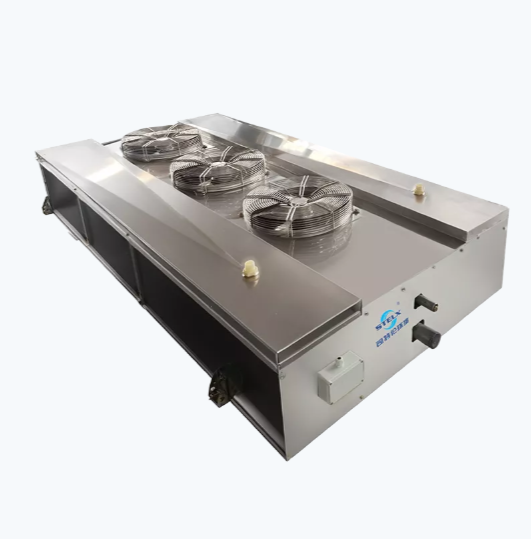
Ammonia systems are renowned for their high energy efficiency. Thanks to ammonia’s excellent thermodynamic properties, it provides superior heat transfer and requires less energy to achieve cooling. Ammonia’s high latent heat of vaporization means smaller pipe sizes and less refrigerant volume, which also helps reduce energy loss. These systems often outperform CO2 in large-scale industrial applications, especially where cooling loads are substantial.
CO2 systems excel at low-temperature applications, like freezing, where their efficiency often surpasses ammonia. CO2’s high volumetric cooling capacity enables compact system designs with smaller components. However, CO2 operates at much higher pressures, which can affect system efficiency in warmer climates, especially during transcritical operation. Advances in CO2 system design, such as adiabatic condensers, help improve efficiency by extending subcritical operation periods.
Ammonia systems generally have lower initial capital costs for large installations. The refrigerant itself is inexpensive and widely available. However, ammonia systems require specialized materials like stainless steel, which can increase upfront equipment costs. Over the system’s lifespan, ammonia’s energy efficiency often results in lower operating costs. Furthermore, ammonia plants tend to have a longer service life, often exceeding 20 years, making them a durable investment.
CO2 systems typically have higher initial costs due to the need for pressure-rated components and advanced compressors to handle transcritical cycles. Maintenance costs can also be higher because of the system’s complexity and sensitivity to water contamination. On the upside, CO2’s compact design can reduce space and installation expenses. CO2 is also future-proof, exempt from many refrigerant regulations, which offers long-term regulatory cost stability.
Environmentally, both ammonia and CO2 are natural refrigerants with low global warming potential (GWP). Ammonia has a GWP of zero and no ozone depletion potential. CO2 has a GWP of one and also no ozone depletion potential. Both contribute minimally to climate change compared to synthetic refrigerants.Safety is where these refrigerants differ notably. Ammonia is toxic and mildly flammable, requiring robust safety measures such as gas detection, ventilation, and restricted access areas. While ammonia leaks are rare, the potential consequences mean operators must invest in stringent safety protocols.
CO2 is non-flammable and has low toxicity, making it safer for personnel. However, it operates at very high pressures and can cause asphyxiation in confined spaces if leaked. Proper ventilation and gas detection are essential to mitigate these risks. Regulatory compliance is generally simpler for CO2 due to its favorable safety profile.
Ammonia refrigeration has served industries for over a century. It’s popular in food processing, cold storage warehouses, chemical manufacturing, and ice rinks. The food sector especially benefits from ammonia’s high efficiency and cost-effectiveness. Meat packing plants, dairy processors, and large-scale frozen food manufacturers often rely on ammonia systems to maintain precise temperatures. Ammonia’s excellent heat transfer properties allow these industries to cool large volumes quickly and economically.Chemical plants use ammonia refrigeration for process cooling, taking advantage of its compatibility with steel equipment and ability to handle high loads. Ice arenas and sports facilities also use ammonia systems because they provide reliable, powerful cooling needed for ice maintenance.
Modern ammonia refrigeration systems have evolved to enhance safety and efficiency. Low-charge ammonia systems reduce the amount of refrigerant needed, lowering risk and environmental impact. Modular packaged units allow easier installation and relocation, making them flexible for changing industrial layouts.Advances in control systems provide precise temperature management and energy optimization. Digital monitoring and remote diagnostics help operators detect leaks early and maintain system performance. The use of stainless steel and specialized coatings has improved corrosion resistance, extending equipment lifespan.Heat recovery technology is another innovation. Ammonia systems can capture waste heat to warm buildings or support defrost cycles, improving overall energy use. These advancements make ammonia refrigeration safer, greener, and more cost-effective than ever before.
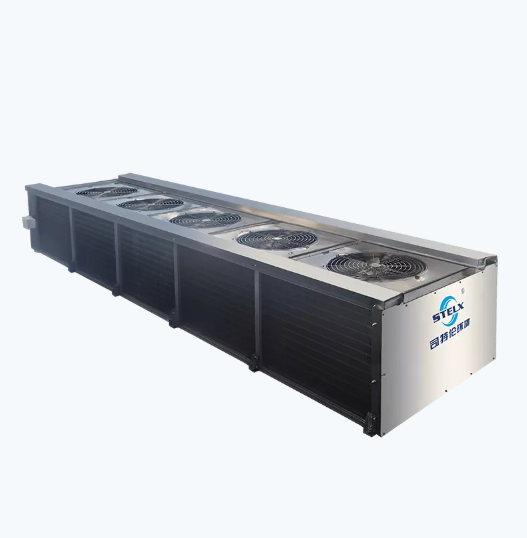
CO2 refrigeration systems have found favor across various industries due to their environmental benefits and operational efficiency. The food retail sector, especially supermarkets and cold storage warehouses, widely use CO2 systems. Their ability to handle low-temperature freezing efficiently makes them ideal for frozen food storage and processing. Beverage manufacturers also benefit from CO2 cooling, maintaining product quality and freshness.Pharmaceutical companies rely on CO2 systems to maintain strict temperature controls for sensitive medicines and vaccines. The chemical industry uses CO2 refrigeration for processes requiring precise cooling without contamination risks. Additionally, ice rinks and leisure facilities adopt CO2 systems for their safety and environmental friendliness.
CO2 refrigeration technology has advanced significantly to overcome challenges related to high operating pressures. Modern CO2 systems utilize transcritical cycles, allowing efficient heat rejection even in warmer climates. Innovations like adiabatic gas coolers improve performance by pre-cooling the CO2 before it enters the main gas cooler.Multi-stage compression and ejector technology enhance system efficiency, reducing energy consumption during high ambient temperatures. Compact, modular CO2 units simplify installation and maintenance, making them suitable for both new builds and retrofits. Integration of heat recovery systems in CO2 setups captures waste heat for space heating or defrosting, boosting overall energy efficiency.Control systems now offer precise monitoring and automation, improving reliability and reducing downtime. These technological strides make CO2 refrigeration a versatile and future-proof choice for industrial air coolers.
Choosing the right refrigerant depends on several key factors. First, consider the cooling requirements: the temperature range and load size influence which refrigerant performs best. Ammonia excels in large, heavy-duty cooling systems, while CO2 is often better for low-temperature or smaller-scale applications.
Next, safety is critical. Ammonia is toxic and mildly flammable, so it suits facilities with controlled access and robust safety systems. CO2 is non-flammable and less toxic but operates at very high pressures, requiring specialized equipment and safety measures for pressure management.
Environmental impact matters too. Both ammonia and CO2 are natural refrigerants with low global warming potential (GWP). Ammonia has a GWP of zero, while CO2’s is 1. Choosing either helps meet stricter environmental regulations and sustainability goals.
Also, assess system complexity and maintenance. Ammonia systems often require corrosion-resistant materials like stainless steel, adding upfront costs but offering durability. CO2 systems need high-pressure rated components and may involve more complex controls, especially in transcritical setups.
Finally, think about regulatory compliance. CO2 faces fewer restrictions and simpler compliance processes, while ammonia requires adherence to strict safety codes due to its hazardous nature.
Balancing these factors is key. Ammonia systems generally offer superior energy efficiency and lower operating costs, especially for large-scale industrial coolers. Their high latent heat of vaporization means less refrigerant is needed, reducing energy use.CO2 systems may have higher initial costs due to specialized components and compressors. However, their compact design can save installation space and reduce some material costs. CO2’s safety profile can also lower insurance and compliance expenses.From an environmental perspective, both refrigerants are excellent. Ammonia’s zero GWP and CO2’s minimal impact mean either choice supports net-zero ambitions. However, ammonia’s toxicity means leaks can pose greater environmental risks if not managed well.Long-term viability favors natural refrigerants over synthetic ones, which face increasing phase-outs and price volatility. Investing in ammonia or CO2 systems protects against future regulatory changes and potential refrigerant scarcity.
Ammonia and CO2 are leading refrigerants for industrial air coolers. Ammonia offers high energy efficiency and cost-effectiveness, while CO2 provides safety and environmental benefits. Consider cooling needs, safety, cost, and sustainability when choosing. For cutting-edge solutions, consider STELX. Their products balance efficiency and safety, offering advanced ammonia and CO2 systems tailored to industrial needs. STELX's expertise ensures reliable, sustainable cooling, enhancing operational performance and meeting stringent environmental standards.
A: Ammonia offers high energy efficiency, low global warming potential, and cost-effectiveness for industrial air coolers, making it an environmentally friendly choice.
A: CO2 is safer with low toxicity and non-flammability, while ammonia is more energy-efficient. CO2 suits low-temperature applications, whereas ammonia excels in large-scale cooling.
A: Both ammonia and CO2 have low global warming potential, making them sustainable choices for industrial air coolers, meeting environmental regulations effectively.
A: For ammonia, implement gas detection systems, proper ventilation, and use corrosion-resistant materials to ensure safety in industrial air coolers.
A: CO2 systems can have higher initial costs due to pressure-rated components, but they offer long-term regulatory benefits for industrial air coolers.


