Views: 0 Author: Site Editor Publish Time: 2025-12-05 Origin: Site
In food processing and pharmaceuticals, throughput is a key metric. Optimizing blast freezer evaporator coils increases throughput and improves efficiency. This article explores how optimizing these coils led to significant throughput improvements in a real-world case study.
We will discuss how design improvements and airflow management result in faster freezing, higher productivity, and reduced costs. Learn how these changes make the freezing process more energy-efficient.
At Stelx, we offer high-performance blast freezer evaporators. Learn more about our products and how they improve your freezing processes.
Throughput in blast freezing refers to the number of products a freezer can process within a set time frame. It’s a key metric in industries that require fast freezing of perishable goods, such as food processing and pharmaceuticals. Higher throughput means more units are frozen in the same period, improving production rates and efficiency.
Optimizing throughput involves improving freezer efficiency, reducing freezing times, and ensuring uniform freezing, which allows businesses to handle increased volumes without adding resources. Higher throughput directly translates to lower per-unit costs and better operational efficiency.
Throughput is critical for both operational efficiency and cost management in food and pharmaceutical industries. In food processing, faster freezing allows companies to meet demand while maintaining quality, with better resource utilization. In pharmaceuticals, optimizing throughput ensures the safe freezing of temperature-sensitive products, like vaccines, while maintaining their efficacy.
Increased throughput also reduces energy consumption, making the freezing process more cost-effective and sustainable. It enhances supply chain management by enabling faster freezing, better inventory control, and on-time deliveries, which are crucial for industries dealing with time-sensitive products.
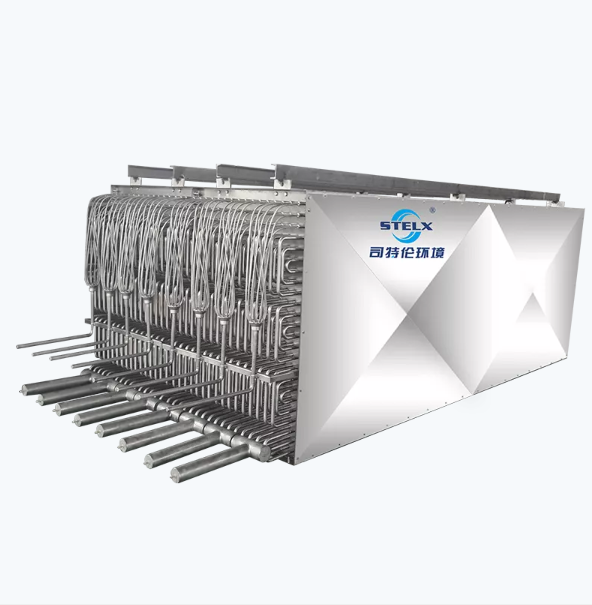
Optimizing the design of evaporator coils is one of the most effective ways to enhance freezing performance. By increasing the surface area of the coils and utilizing customizable fin-tube configurations, you can achieve a more efficient heat transfer process. The larger surface area allows for more contact between the refrigerant and the product, which accelerates the cooling process.
Additionally, effective airflow management plays a crucial role in ensuring the even distribution of cold air throughout the freezer. This uniform cooling not only prevents uneven freezing but also ensures that products freeze more quickly. The faster freezing time leads to higher throughput, as more products can be processed within the same operational time. This optimization results in a smoother production flow, reducing bottlenecks and increasing overall efficiency.
With a more uniform and rapid freezing process, businesses can improve their production rates, offering higher-quality frozen products at a faster pace, which is essential in competitive industries.
Blast freezers equipped with optimized evaporator coils have the capability to freeze larger quantities of products in less time. Advanced coil designs, such as increasing fin density or implementing multi-tube systems, improve heat transfer efficiency. These designs maximize the surface area for heat exchange between the refrigerant and the products, resulting in faster cooling and more efficient freezing cycles.
The acceleration of the freezing process is especially important for companies looking to maximize throughput without sacrificing product quality. Faster freezing minimizes the formation of large ice crystals, which preserves the texture and quality of products, especially in industries like food and pharmaceuticals, where quality is paramount.
By enhancing the freezing capacity, businesses can process more products in the same amount of time, thus significantly increasing throughput and reducing wait times for product readiness. This results in more products being available for distribution or sale, ultimately improving the bottom line.
Frost accumulation on evaporator coils is a common issue that can severely impact the efficiency of blast freezers. When frost builds up on the coils, the heat transfer capacity of the evaporator is reduced, resulting in slower freezing times and lower throughput. To counteract this, efficient defrosting systems are essential.
Advanced technologies, such as sequential defrost cycles and dry air systems, are employed to minimize frost build-up. Sequential defrost systems ensure that each coil defrosts at the appropriate time, preventing excess frost from accumulating while maintaining the freezer’s performance. Dry air systems, on the other hand, help keep moisture levels low, further reducing the chances of frost build-up.
By maintaining optimal heat transfer capabilities through efficient defrosting, businesses can keep the freezing process running smoothly and consistently. This ensures that throughput remains high, with minimal interruptions or slowdowns due to defrost cycles. As a result, the system runs more efficiently, and products can be processed at a faster rate, keeping production on schedule and improving overall operational performance.
Factor | Description | Impact on Throughput |
Coil Surface Area | Larger surface area allows for more contact between refrigerant and product | Faster cooling and higher throughput |
Airflow Efficiency | Improved fan speed and air distribution for uniform cooling | Reduces freezing time and increases throughput |
Advanced Coil Materials | Corrosion-resistant and durable materials ensure long-term performance | Maintains consistent performance, reducing downtime |
Defrosting Systems | Sequential and dry-air defrosting systems reduce frost buildup | Maintains heat transfer, preventing slowdowns |
A major food processing company faced a challenge with slow freezing times and inefficient throughput. Their existing blast freezer evaporators were struggling to meet the demand for quick freezing, which led to production delays and increased energy consumption.
To address these issues, the company opted to optimize their evaporator coils. By increasing the surface area of the coils and improving the airflow, the freezer’s cooling capacity was enhanced. They also implemented advanced defrosting techniques to prevent frost build-up on the coils, ensuring smooth operation.
Following the optimization, the company saw a 30% increase in throughput. The freezer was able to handle larger volumes of products in a shorter time, and energy consumption was reduced due to the improved efficiency of the system. The enhanced freezing process also helped maintain the quality of the frozen products, ensuring consistency and customer satisfaction.
Blast freezer evaporators made from corrosion-resistant and durable materials ensure long-term efficiency and reliability. High-quality metals, such as stainless steel and aluminum, are commonly used to withstand the harsh conditions in freezing environments. Optimized coil surface designs, including larger surface areas and mechanical enhancements, improve heat transfer. This increase in heat exchange efficiency directly impacts the freezing process, allowing products to freeze more quickly and consistently. As a result, throughput is significantly increased, as more products can be processed in less time, without compromising on product quality.
In addition, materials that offer resistance to corrosion and wear help maintain the system's efficiency over time, reducing maintenance costs and downtime. These durable materials also ensure the evaporator’s consistent performance in environments where temperature fluctuations and high humidity are common, ensuring that throughput remains stable and reliable.
Proper airflow is essential for achieving high throughput in blast freezing systems. Air distribution plays a crucial role in ensuring that cold air circulates evenly throughout the freezer, directly impacting freezing times. By improving fan speed and optimizing airflow distribution patterns, the freezing process becomes faster and more uniform. This reduces freezing times and allows more products to be processed in the same amount of time, directly increasing throughput.
Airflow optimization also helps prevent hot spots in the freezer, where the temperature may not reach the desired levels. By using advanced air distribution systems, such as variable-speed fans and strategically placed air ducts, airflow can be precisely controlled to ensure even cooling throughout the entire freezer. This contributes to maintaining product quality, as uniform freezing prevents uneven textures and dehydration, which could otherwise affect product appearance and taste. As a result, improved airflow not only boosts throughput but also ensures a higher quality of frozen goods.
Feature | Benefit |
Corrosion-Resistant Materials | Long-term durability and efficiency |
Larger Coil Surface Area | Faster heat transfer and cooling |
Improved Airflow Distribution | Faster, more uniform freezing |
Advanced Defrosting System | Reduced frost build-up, consistent performance |
Increased throughput means the same equipment is used more efficiently, reducing operational costs. The optimized blast freezer coils increase cooling speed, allowing businesses to process more products in a shorter period without increasing energy consumption. Over time, these savings on energy and operational costs lead to significant financial benefits.
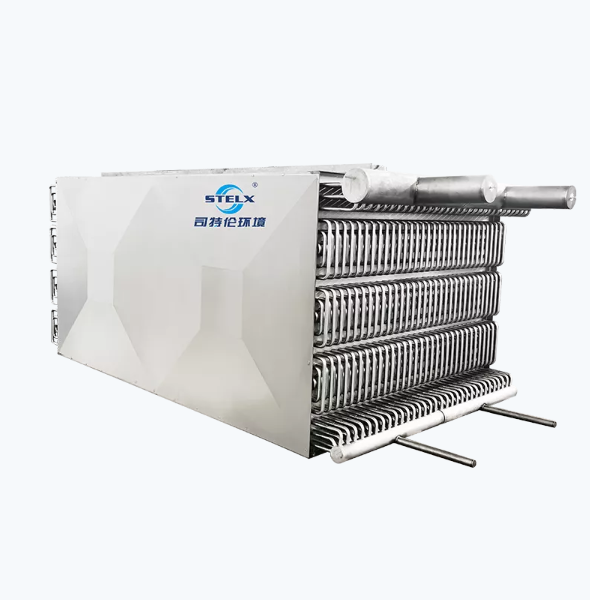
Optimizing evaporator coils not only increases throughput but also improves energy efficiency. By reducing energy usage for each freezing cycle, businesses can cut down on electricity costs and contribute to a more sustainable operation. Lower energy consumption is also beneficial for companies aiming to meet environmental sustainability goals.
Automation is becoming increasingly important in blast freezing. Automated systems can adjust cooling parameters, such as airflow and temperature, based on real-time data. This optimization helps increase throughput by ensuring the freezer operates at peak efficiency without the need for manual adjustments.
Advanced monitoring systems that track the performance of blast freezers provide businesses with valuable insights. Real-time analytics can help identify areas for improvement, ensuring that the system operates at its highest capacity. This leads to optimized throughput, as maintenance needs can be addressed before they cause system slowdowns.
Optimizing blast freezer evaporator coils is a proven way to increase throughput. By improving cooling speed, reducing frost build-up, and enhancing energy efficiency, businesses can process more products in less time. These improvements result in cost savings, better product quality, and greater operational efficiency.
At Stelx ,our high-performance blast freezer evaporators are designed to boost throughput and energy efficiency. Our innovative coil designs continue to enhance performance, contributing to higher productivity and success in freezing operations.
Tip: When optimizing blast freezer systems, consider both immediate throughput improvements and long-term energy savings to ensure a balanced return on investment.
A: Optimizing blast freezer evaporator coils improves cooling speed, airflow, and reduces frost build-up, enabling faster freezing and higher throughput in less time.
A: Efficient airflow ensures uniform cooling across products, speeding up the freezing process and improving throughput by reducing freezing time.
A: A well-designed coil increases surface area and enhances heat transfer, resulting in faster freezing times and higher throughput for larger volumes of products.


