Views: 0 Author: Site Editor Publish Time: 2025-10-15 Origin: Site
Choosing the right industrial air cooler is crucial for efficient facility cooling. It saves energy and improves air quality. Industrial air coolers use evaporative cooling, offering eco-friendly solutions over traditional air conditioning. In this article, you'll learn how to select the best air cooler for your facility's needs.
Industrial air coolers work by using a simple, natural process: evaporative cooling. This method cools air by passing warm air through water-soaked pads. As the water evaporates, it absorbs heat from the air, lowering the air temperature. This process is energy-efficient and cost-effective, making it ideal for large industrial spaces.
At the core, these coolers pull in warm air using a fan. The air passes through wet cooling pads, where water evaporates into the air. This evaporation absorbs heat, cooling the air before it blows into the facility. Unlike traditional air conditioners, which use refrigerants and compressors, industrial air coolers rely mostly on water and fans. This means they consume much less electricity.
Evaporative cooling is based on a natural phenomenon. When water changes from liquid to vapor, it takes heat energy from the surrounding air. This heat transfer reduces the air temperature. The process is adiabatic, meaning it doesn’t add or remove heat from the system but redistributes it, resulting in cooler air. The key component is the cooling pad, designed to maximize air-water contact and promote evaporation.
· Energy Efficiency: Air coolers use up to 90% less energy than air conditioners. They only power fans and water pumps, avoiding energy-intensive compressors.
· Environmental Impact: They use no harmful refrigerants, reducing greenhouse gas emissions and ozone depletion risks.
· Cost Savings: Lower installation and maintenance costs make them budget-friendly for large spaces.
· Fresh Air Supply: Unlike air conditioners that recirculate indoor air, air coolers continuously bring in fresh, humidified air, improving indoor air quality.
· Ease of Installation: They require less infrastructure, often just a water source and power supply, making setup faster and simpler.
Industrial air coolers suit dry, hot environments where humidity is low. They work best in open or semi-open spaces like warehouses, factories, and workshops. While air conditioners cool air by removing heat through complex refrigeration cycles, air coolers cool air naturally by adding moisture, which can be beneficial in arid climates.
When choosing an industrial air cooler, understanding the different types helps you match the right solution to your facility’s needs. Industrial air coolers mainly fall into two categories: portable evaporative coolers and installed evaporative coolers. Additionally, coolers can be classified by their cooling method: direct or indirect. Each type has unique benefits and applications.
Portable evaporative coolers are compact, mobile units designed for flexibility. They work well in warehouses, workshops, garages, or outdoor industrial spaces. These coolers pull warm air through wet cooling pads, cooling and humidifying the air before blowing it into the space. Because of their portability, you can move them to different areas as needed. Typical airflow capacity ranges up to about 13,000 cubic meters per hour (m³/h), making them suitable for medium-sized spaces.
Key advantages include:
· Easy to install—just plug in and fill the water tank.
· No complex ductwork or permanent installation.
· Cost-effective for temporary or changing cooling needs.
However, they may not be ideal for very large or permanently occupied industrial spaces due to limited cooling capacity.
Installed evaporative coolers are fixed units, often mounted on walls, windows, or roofs. They serve larger industrial or commercial spaces such as factories, large warehouses, or production lines. These coolers generally offer higher airflow capacities, sometimes exceeding 30,000 m³/h per unit, and can cool entire rooms or buildings.
There are three common mounting styles:
· Window or wall-mounted: Suitable for cooling single rooms or garages.
· Down-discharge coolers: Installed on roofs, directing cooled air downward into the space.
· Slide-discharge coolers: Mounted on building sides or roofs, using duct elbows to direct airflow.
Installed coolers tend to be quieter since fans are outside, and they provide more consistent cooling for large areas.
· Direct evaporative coolers cool air by passing it directly through water-soaked pads, adding moisture to the air. This method is highly effective in dry climates where added humidity improves comfort.
· Indirect evaporative coolers cool air without adding moisture by using a heat exchanger. They are ideal for environments where humidity must be controlled, such as pharmaceutical or food production facilities.
Choosing between direct and indirect depends on your facility’s humidity tolerance and cooling requirements.
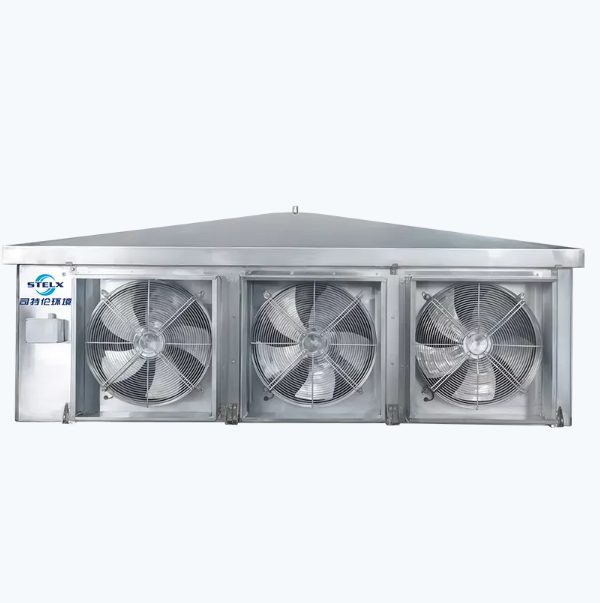
Choosing the right industrial air cooler means balancing several important factors. These ensure the cooler meets your facility’s needs efficiently, sustainably, and cost-effectively.
First, consider the cooling capacity. This is how much air the cooler can move and how much heat it can remove. It’s usually measured in cubic meters per hour (m³/h) or cubic feet per minute (CFM). Bigger spaces or areas with heavy machinery need coolers with higher airflow to maintain a comfortable temperature.
Think about:
· Size of the space
· Heat generated by equipment and workers
· Desired temperature drop
A cooler that’s too small won’t cool effectively. Oversizing wastes energy and money. Calculate the volume of air needing cooling and choose a unit rated for that airflow plus a safety margin.
Industrial air coolers are naturally more eco-friendly than traditional air conditioners. They use water evaporation, not refrigerants, which reduces harmful emissions. But still, consider:
· Water consumption: Choose models with efficient water use or recycling features.
· Energy efficiency: Look for units with low power consumption, such as those with energy-saving motors.
· Materials: Durable, recyclable materials reduce environmental footprint over time.
Sustainability is key for businesses aiming to reduce costs and comply with environmental regulations. Selecting a cooler that balances performance and green credentials benefits both the planet and your bottom line.
Installation ease affects downtime and costs. Portable coolers require minimal setup but suit smaller or temporary needs. Installed coolers may need ductwork or roof/wall mounting but provide more powerful, consistent cooling.
Maintenance is critical for long-term performance:
· Regular cleaning of cooling pads prevents blockages.
· Checking water supply and pump functionality avoids breakdowns.
· Replacing worn parts like pads extends cooler life.
Choose coolers designed for easy access and simple maintenance tasks. Some models offer features like automatic water level control or washable filters to reduce upkeep.
Optimizing your industrial air cooler ensures it performs efficiently and lasts longer. Let’s explore key tips on installation, maintenance, and energy efficiency to get the most from your investment.
Proper installation is crucial. Place the cooler where it can draw in fresh air easily — ideally near open windows or vents. This helps maintain airflow and prevents humidity buildup inside. For installed coolers, mounting on roofs or walls works best, directing cooled air into the workspace effectively.Avoid placing the unit too close to heat sources or obstacles that block airflow. Ensure at least 3 feet of clearance around the cooler for maintenance access and air circulation. If your facility has multiple coolers, position them to promote even cooling without air mixing or short circuits.Check the water supply line for steady flow. Use a cutoff valve to control water during non-use periods or winterization. Electrical connections should be secure and comply with safety codes. When in doubt, hire a certified electrician for installation.
Routine maintenance keeps your cooler running smoothly. Clean or replace cooling pads regularly; dirty pads reduce airflow and cooling efficiency. Inspect pads for wear or mineral buildup and swap them out as needed.Check the water tank and pump often. Remove debris or algae to prevent clogging. Ensure the float valve works properly to avoid overflow or dry running. Lubricate fan motors and bearings to reduce noise and wear.Before winter, drain and clean the system to avoid damage from freezing or corrosion. Cover the cooler when not in use to protect it from dust and weather.Document maintenance schedules and perform checks monthly during heavy use seasons.
Industrial air coolers are naturally energy-efficient, but you can improve this further. Use the cooler only when necessary — turn it off during cooler nights or when the facility is empty.
Maintain good ventilation in the workspace to allow humid air to escape, enhancing cooling effectiveness. In humid climates, consider indirect evaporative coolers to avoid adding moisture.Choose models with energy-saving motors or variable speed fans to reduce power consumption. Automatic water level controls also prevent excess water use, lowering operational costs.Regular maintenance reduces energy waste caused by blocked airflow or malfunctioning parts. Finally, insulating your building and shading the cooler from direct sunlight improve overall system efficiency.
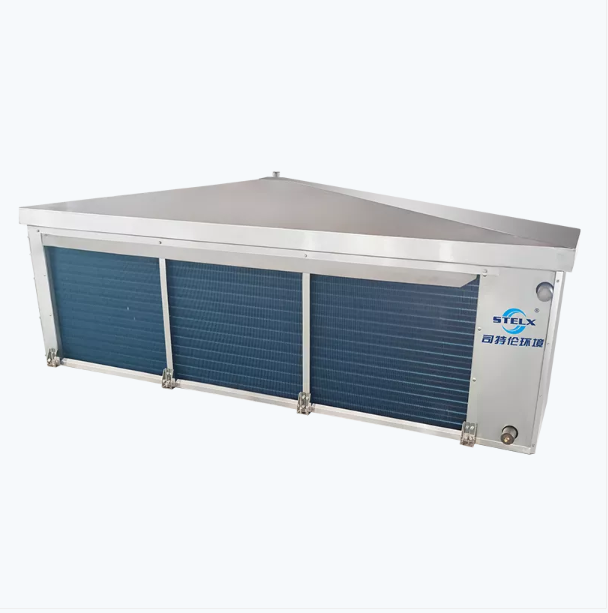
Industrial air coolers offer several advantages that make them an excellent choice for cooling large facilities. They combine cost savings, improved air quality, and enhanced worker comfort to create a better working environment.
One of the biggest benefits is their low operating cost. Industrial air coolers use much less electricity than traditional air conditioners because they rely on fans and water pumps rather than energy-heavy compressors. This can reduce energy bills by up to 90%, especially in large spaces that need continuous cooling. Installation costs are also lower since these coolers need minimal infrastructure—often just a water supply and power source.Maintenance expenses are minimal, too. Their simple design means fewer parts to service or replace, which keeps upkeep affordable and downtime low. Over time, these savings add up, making industrial air coolers a smart investment for businesses focused on long-term efficiency.
Unlike air conditioners that recirculate indoor air, industrial air coolers constantly pull fresh air from outside. This process improves ventilation and helps reduce indoor air pollutants, dust, and odors. The continuous supply of fresh, humidified air creates a healthier environment for workers, which is especially important in dusty or chemical-heavy industrial settings.By adding moisture to dry air, these coolers can also help prevent respiratory irritation and dry skin, common issues in arid climates or heavily air-conditioned spaces. Improved air quality contributes to better overall health and fewer sick days among employees.
Comfort is key to productivity. Industrial air coolers lower temperatures effectively, creating a more pleasant workplace, especially in hot and dry conditions. Cooler temperatures reduce heat stress and fatigue, helping staff stay alert and focused.Studies show that comfortable thermal conditions can boost worker output by up to 15%. By keeping employees cool and hydrated, air coolers reduce heat-related illnesses and improve morale. This leads to fewer errors, less absenteeism, and higher job satisfaction.Additionally, the gentle breeze from evaporative cooling can improve air circulation without the dry, stale feeling often associated with air conditioning. This creates a more natural and refreshing atmosphere that supports long working hours.
Selecting the right industrial air cooler involves understanding cooling methods, types, and factors like airflow and environmental impact. Portable and installed options offer flexibility and capacity, while direct and indirect cooling cater to humidity needs. Proper sizing ensures efficiency and cost-effectiveness. STELX provides innovative air coolers that enhance air quality and worker comfort, delivering energy savings and improved productivity. Their products offer a sustainable solution for large industrial spaces, making them a valuable investment for any facility.
A: Industrial Air Coolers use evaporative cooling to lower air temperature by passing warm air through water-soaked pads, providing energy-efficient cooling for large spaces.
A: Unlike air conditioners, Industrial Air Coolers use water and fans, consuming less electricity and providing fresh, humidified air without refrigerants.
A: They offer cost savings, improved air quality, and enhanced worker comfort, making them ideal for large, dry environments.
A: Ensure proper installation, regular maintenance, and maximize energy efficiency by using them only when needed and maintaining good ventilation.


