Views: 0 Author: Site Editor Publish Time: 2025-12-05 Origin: Site
In industries like food processing, pharmaceuticals, and chemicals, hygiene is crucial. Stainless steel air coolers are specifically designed to meet strict hygiene standards. They ensure product safety and quality, essential for these industries.
In this article, we will discuss how stainless steel air coolers meet FDA and EHEDG standards. You will learn how they provide businesses with efficient and hygienic cooling solutions.
At Stelx, our air coolers are engineered to help businesses meet the highest hygienic standards. Learn more about our products and how they can enhance your cooling processes.
Hygienic design refers to the engineering principles applied to manufacturing equipment that ensures cleanliness, minimizes bacterial growth, and maintains the integrity of products. In the context of air coolers, this means designing units that are easy to clean, have smooth surfaces, and prevent any potential contamination from external elements. Hygienic design is critical in industries such as food processing, pharmaceuticals, and healthcare, where sanitation and contamination prevention are paramount.
The core principle behind hygienic design in air coolers is to eliminate hard-to-reach areas where dirt, dust, or moisture can accumulate. These areas can harbor bacteria and other pathogens, which can compromise product quality and safety. By focusing on simplicity, smooth finishes, and resistance to corrosion, hygienic air coolers meet the stringent requirements set by regulatory bodies like the FDA and EHEDG. This ensures that equipment operates efficiently while adhering to the highest standards of hygiene and cleanliness.
Stainless steel is widely known for its resistance to corrosion and its ability to withstand extreme environmental conditions. This makes it the ideal material for air coolers that must operate in harsh, corrosive environments. In industries that require strict hygiene standards, such as food processing and pharmaceuticals, stainless steel air coolers provide the reliability and durability needed to meet regulatory demands.
The smooth, non-porous surface of stainless steel significantly minimizes the risk of bacterial growth, ensuring that the equipment adheres to hygiene standards. Unlike other materials, stainless steel does not have microscopic pores where bacteria and dirt can accumulate, making it easier to clean and maintain over time. This is especially important in environments where cleanliness is directly linked to product safety and quality.
Additionally, stainless steel’s durability ensures that air coolers can withstand frequent cleaning cycles, harsh chemicals, and high temperatures, all while maintaining their performance. This results in longer equipment lifespan, reduced maintenance costs, and consistent cooling performance, making stainless steel air coolers a cost-effective and long-lasting solution for hygienic environments.
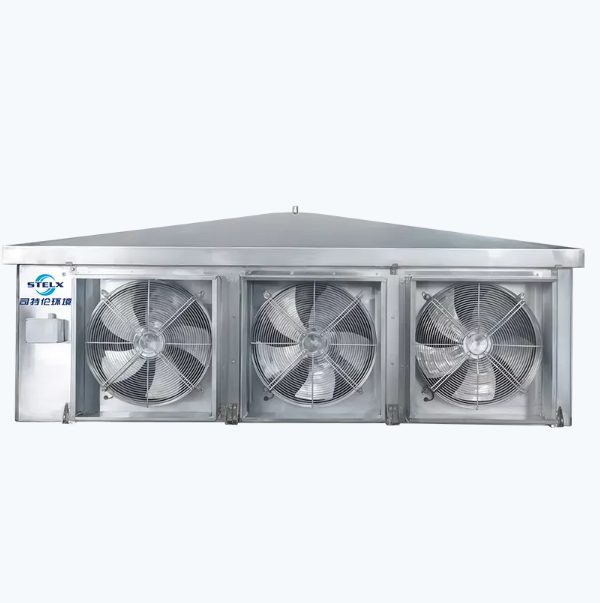
FDA guidelines for equipment used in food and pharmaceutical processing emphasize the importance of non-toxic materials, easy cleaning, and non-contaminating surfaces. Stainless steel air coolers are perfectly suited to meet these criteria. The non-reactive nature of stainless steel ensures that no harmful substances leach into products, safeguarding product integrity and preventing contamination. This is crucial in industries where even the smallest contamination can have major health implications, such as in the production of pharmaceutical products and food items.
Additionally, the design of stainless steel air coolers incorporates smooth, seamless surfaces, reducing the chance for bacteria or other contaminants to accumulate in hard-to-reach places. Their ability to withstand cleaning cycles with harsh chemicals ensures that they maintain compliance with FDA requirements over time, simplifying maintenance and cleaning procedures. Businesses can thus focus on productivity without worrying about hygiene-related issues or expensive downtime for cleaning.
The European Hygienic Engineering & Design Group (EHEDG) provides some of the most stringent design guidelines for hygienic equipment used in food processing and pharmaceuticals. These guidelines stress the importance of preventing contamination by ensuring smooth surfaces, preventing the growth of bacteria, and designing equipment that is easy to clean and maintain. Stainless steel air coolers are designed to meet these guidelines effortlessly.
With features such as smooth, rounded edges and seamless construction, stainless steel air coolers offer a hygienic design that prevents the accumulation of bacteria. The corrosion-resistant properties of stainless steel further enhance its ability to resist bacterial growth, as the surface remains impervious to moisture, which is a key factor in bacterial proliferation. By meeting EHEDG standards, stainless steel air coolers help businesses comply with local and international regulations, ensuring safe and hygienic conditions for their products.
This compliance is especially important for businesses operating in regions where EHEDG standards are mandatory, such as Europe. By using stainless steel air coolers that meet these high standards, companies can assure their customers and regulators that their equipment contributes to safe and hygienic production processes.
Criteria | FDA Compliance | EHEDG Compliance |
Material | Non-toxic, corrosion-resistant | Non-toxic, corrosion-resistant |
Surface Smoothness | Smooth, easy to clean | Smooth, rounded edges |
Cleaning Requirements | Must withstand cleaning cycles | Must withstand cleaning cycles |
Bacterial Growth Prevention | Smooth surfaces, easy to clean | Smooth, non-porous surfaces |
Durability | Resistant to harsh chemicals | Resistant to chemicals, corrosion |
Stainless steel is renowned for its exceptional corrosion resistance, making it the perfect material for air coolers that are exposed to harsh environments such as high humidity, temperature fluctuations, and cleaning chemicals. These coolers can withstand frequent exposure to moisture and extreme temperatures without corroding, ensuring long-lasting performance and reducing the need for frequent repairs or replacements.
The durability of stainless steel is particularly critical in industries like food processing and pharmaceuticals, where equipment reliability is vital. Any downtime due to equipment failure can lead to significant financial losses and disruption of production. Stainless steel air coolers, with their ability to resist corrosion and wear, ensure continuous performance, providing businesses with peace of mind that their operations will run smoothly.
The smooth, non-porous surface of stainless steel air coolers simplifies the cleaning process, making them ideal for environments that require strict hygiene. Bacteria, mold, and other contaminants are less likely to stick to the surface, reducing the need for labor-intensive cleaning efforts. The design of these air coolers also incorporates rounded edges and accessible components, making it easier for cleaning staff to reach all areas and ensure a thorough cleaning.
Additionally, stainless steel's resistance to harsh cleaning chemicals means that the air coolers can be cleaned frequently without compromising the material's integrity. This is particularly important for industries that rely on rigorous cleaning schedules to meet hygiene standards. By reducing the time and cost associated with maintenance, stainless steel air coolers provide long-term value for businesses in highly regulated sectors.
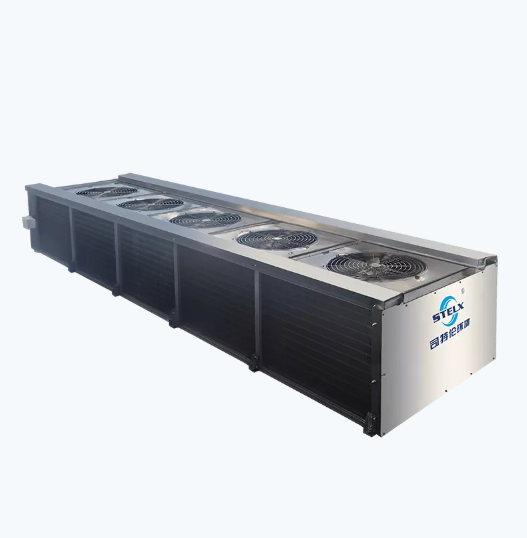
One of the key aspects of stainless steel air coolers is their ability to optimize airflow, ensuring that cold air is distributed evenly across the cooling chamber. This is achieved through the use of customizable fin-tube configurations and advanced fan systems, which help maintain consistent temperature control throughout the unit. Even airflow is essential for achieving rapid cooling or freezing times, which is crucial for maintaining the quality of perishable goods, such as food and pharmaceutical products.
Efficient cooling also improves energy efficiency. By ensuring that cold air is distributed evenly and effectively, stainless steel air coolers help reduce energy consumption, which lowers operating costs over time. This is a key consideration for businesses looking to reduce their environmental footprint and improve the cost-effectiveness of their operations.
Feature | Benefit |
Corrosion Resistance | Ensures longevity and reliability in harsh environments like food processing and pharmaceuticals |
Smooth, Non-Porous Surface | Reduces bacterial growth and makes cleaning easier, ensuring high hygiene standards |
Durability | Withstands frequent cleaning, extreme temperatures, and harsh chemicals, offering long-term performance |
Optimized Airflow Design | Provides even cooling, improving efficiency and maintaining product integrity |
The durability and thermal conductivity of stainless steel enable air coolers to achieve higher cooling efficiency. Stainless steel’s superior heat transfer properties allow air coolers to operate more effectively, providing consistent and reliable temperature control across the unit. This leads to faster cooling times, minimizing the energy required to maintain the desired temperature. By optimizing cooling efficiency, businesses can reduce energy consumption and maintain a more sustainable operation. This not only helps to preserve the integrity of perishable goods but also ensures that energy costs remain low while maintaining high operational standards.
Investing in stainless steel air coolers offers businesses significant long-term savings. The high durability of stainless steel ensures that these units are resistant to corrosion and wear, significantly extending their service life compared to alternatives made from less resilient materials. This reduces the frequency of repairs or replacements, which in turn minimizes downtime and maintenance costs. Furthermore, the energy-efficient design of stainless steel air coolers contributes to substantial savings on electricity bills. By improving operational efficiency and cutting down on both maintenance and energy costs, businesses can see a favorable return on investment over time.
Efficiency Aspect | Impact |
Energy Efficiency | Reduces energy consumption, lowering electricity bills |
Reduced Maintenance Costs | Low wear and tear, fewer repairs, and long lifespan |
Operational Downtime | Fewer breakdowns, ensuring smooth and continuous operations |
Product Quality Maintenance | Consistent cooling preserves the integrity of perishable goods like food and pharmaceuticals |
A food processing company faced challenges with inefficient cooling systems that were leading to high operational costs and frequent breakdowns. To address these issues, the company decided to upgrade to stainless steel air coolers that met FDA and EHEDG standards. The new air coolers not only complied with rigorous hygiene regulations but also improved cooling efficiency. As a result, the company saw a significant reduction in energy consumption and maintenance costs, as the stainless steel units required less upkeep and offered better reliability. Additionally, the company was able to process more products in less time, boosting throughput and improving overall production efficiency. This case highlights how investing in stainless steel air coolers can lead to substantial improvements in operational efficiency and product quality, making it a wise long-term investment for businesses in industries that require stringent hygiene standards.
Stainless steel air coolers are the ideal choice for businesses in industries with strict hygiene standards, like food processing and pharmaceuticals. Their compliance with FDA and EHEDG guidelines ensures top-tier hygiene. These coolers are durable, energy-efficient, and require minimal maintenance, offering long-term operational efficiency. At Stelx, our stainless steel air coolers provide exceptional value, improving product quality and reducing costs for businesses.
When selecting air coolers, prioritize materials like stainless steel that offer both durability and compliance with hygiene standards, ensuring long-term savings and operational efficiency.
A: Stainless steel air coolers offer superior corrosion resistance and durability, making them ideal for environments that require high hygiene standards, such as those in food processing and pharmaceuticals. They are easy to clean and maintain, ensuring compliance with FDA and EHEDG standards.
A: Stainless steel air coolers meet FDA and EHEDG standards by ensuring hygienic design, smooth surfaces, and effective air circulation. These features minimize contamination risks and maintain product quality in sensitive environments like food production.
A: Stainless steel air coolers are preferred because they are resistant to corrosion, easy to clean, and can withstand harsh cleaning processes. These qualities ensure long-term performance while meeting FDA and EHEDG standards for food safety.
A: Stainless steel air coolers enhance operational efficiency by providing reliable cooling, reducing energy consumption, and lowering maintenance costs. Their durability and hygienic design ensure long-term savings and smoother operations.


