Views: 0 Author: Site Editor Publish Time: 2026-01-19 Origin: Site
Energy efficiency is a key concern in today’s industrial world. With rising operational costs and a demand for sustainability, businesses need ways to cut power usage while ensuring effective cooling. Modern industrial air coolers offer an energy-efficient solution, especially for large spaces like warehouses and factories.
These coolers circulate conditioned air across finned coils to remove heat. They are made with durable materials like stainless steel and aluminum alloys, ensuring long-term operation. Stelx offers industrial air coolersdesigned to maximize energy savings while maintaining cooling performance. This article explores how modern air cooler designs can help businesses reduce energy consumption while improving efficiency.
The motor type plays a pivotal role in the energy efficiency of an industrial air cooler. Traditional AC motors consume significantly more power than their modern counterparts, such as BLDC (Brushless Direct Current) motors. These advanced motors are designed to operate more efficiently, with reduced energy loss due to their lack of brushes and commutators, which also helps in reducing wear and tear.
BLDC motors are energy-efficient and feature variable speeds, which allow the cooler to adjust its performance based on the cooling demand. This flexibility results in a reduction of power consumption as the motor operates at lower speeds when full capacity isn't needed. Additionally, these motors ensure quieter operation, making them ideal for environments where noise reduction is a priority, such as offices or medical facilities. Over time, the savings on energy bills can be significant, especially in large-scale industrial facilities.
By using BLDC motors, air coolers can provide consistent, reliable cooling while consuming less energy, which is essential in today's cost-conscious and environmentally focused industrial sectors.
Motor Type | Efficiency | Power Consumption | Maintenance Needs | Noise Levels |
AC Motors | Lower efficiency | High consumption | High maintenance | Higher noise |
BLDC Motors | High efficiency | Lower consumption | Low maintenance | Quieter |
The efficiency of an air cooler is also heavily influenced by its airflow. Fan blade design plays a crucial role in determining how effectively air is circulated through the cooler. Key factors such as the size, material, and number of blades can significantly affect the cooler’s energy consumption. Larger fan blades can move a greater volume of air with less energy input, which is essential for cooling larger spaces effectively.
Furthermore, aerodynamic blades reduce energy expenditure by improving airflow efficiency. These blades are designed to reduce air resistance, allowing them to move air more efficiently and with less energy. The smoother the blade design, the less work the motor has to do to circulate the air, resulting in lower power usage.
Air coolers with optimized fan blade designs can achieve a higher airflow rate without consuming excessive amounts of energy. This not only helps in reducing electricity costs but also ensures that cool air is distributed evenly throughout the space, improving the overall efficiency of the cooling system.
By focusing on these key aspects of motor and fan blade design, businesses can maximize the energy efficiency of their industrial air coolers and ensure a more sustainable and cost-effective operation.
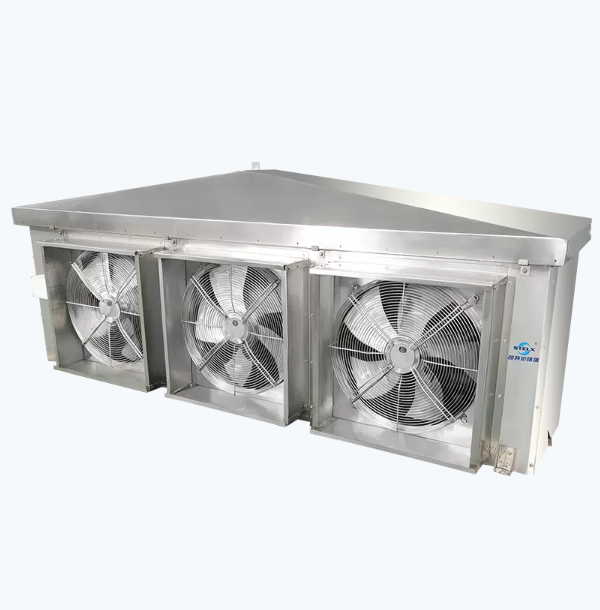
Modern industrial air coolers are equipped with advanced smart cooling technologies that significantly optimize energy use. These systems are designed with IoT (Internet of Things) connectivity and smart thermostats to allow real-time adjustments based on environmental conditions and usage patterns. By integrating these smart technologies, air coolers can operate more efficiently, adjusting their cooling output as needed. These systems can also be controlled remotely, enabling facility managers to ensure that the cooler runs only when necessary. This helps save power during off-peak hours and ensures that cooling is optimized throughout the day. Such technologies help businesses reduce their overall energy consumption and operational costs, while maintaining the desired comfort levels within the facility.
Variable-speed motors are a game changer when it comes to improving the energy efficiency of industrial air coolers. These motors enable the system to modulate its power based on the specific cooling needs of the environment. Instead of running at full capacity all the time, the motor can adjust its speed to match the actual cooling demand. This dynamic adjustment ensures that energy is not wasted, as the cooler only works as hard as necessary. For example, if the temperature in a room is relatively stable, the motor will reduce its speed, consuming less energy. On the other hand, if the temperature rises, the motor will automatically increase its speed to compensate. By maintaining the balance between cooling demand and power usage, variable-speed motors ensure that industrial coolers operate in the most efficient way possible, reducing energy consumption while still providing optimal cooling performance.
The material of the cooling pads used in air coolers has a direct impact on their energy efficiency. High-quality honeycomb cooling pads offer better moisture retention, which significantly improves cooling performance. These pads trap water more effectively than traditional materials, reducing the need for excess water consumption. By improving water retention, the pads minimize energy use during the cooling process, allowing the cooler to maintain a consistent temperature with less effort.
Modern air coolers incorporate advanced pad materials that not only enhance cooling efficiency but also extend the system's life by reducing wear and tear. As these high-quality pads require less frequent replacement, businesses can benefit from lower maintenance costs and better overall performance.
In evaporative cooling, water plays a crucial role in cooling the air. The water pump is central to this process, ensuring water circulates effectively through the cooling pads. High-efficiency pumps are designed to use minimal energy while maximizing water circulation, which helps reduce strain on the cooler. This contributes to enhanced performance and improved energy efficiency.
Additionally, water quality is vital for maintaining optimal cooling. Dirty water can clog the pads and reduce cooling effectiveness, leading to increased energy consumption. Keeping the water clean and free from debris ensures that the air cooler operates at its highest efficiency, minimizing power consumption while providing consistent cooling performance.
Cooling Pad Type | Efficiency | Water Retention | Durability | Replacement Frequency |
Honeycomb Cooling Pads | High | Excellent | Long-lasting | Low |
Traditional Pads | Moderate | Good | Moderate | Frequent |
The placement of your industrial air cooler significantly impacts its energy efficiency. Coolers should be positioned in areas where they can draw in fresh, cool air—such as near windows or ventilation ducts—while avoiding areas where warm air tends to accumulate, like near heat-producing equipment or high-traffic zones. Improper placement can force the cooler to work harder to circulate air, increasing power consumption and reducing its overall effectiveness. Ensuring the cooler is placed in an open area, free from obstructions, maximizes airflow and minimizes energy waste.
Ensuring uniform air distribution across the entire space is essential for maximizing energy efficiency. Poor air circulation can lead to overcooling in some areas and undercooling in others, forcing the cooler to work harder to compensate for uneven conditions. By optimizing airflow and ensuring that the cooler is adequately distributing cool air across the entire space, businesses can maintain a consistent temperature throughout the facility. This reduces the need for additional cooling measures, such as supplementary fans, and minimizes overall energy usage. Properly designed air distribution systems ensure that cool air reaches every corner of the space, improving comfort and reducing energy costs.
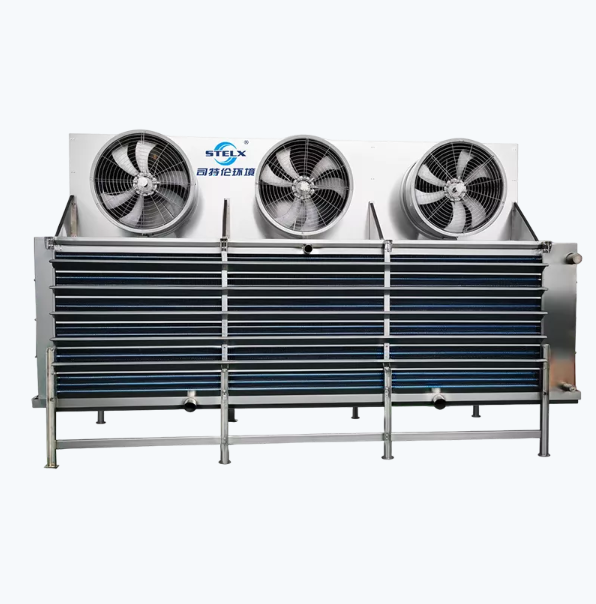
Proper maintenance of industrial air coolers is essential for ensuring they run at peak efficiency. Over time, dust, dirt, and grime can accumulate in the system, obstructing airflow and causing the cooler to work harder than necessary. This leads to increased energy usage and reduced cooling effectiveness.
Regular cleaning of filters, fans, and cooling pads is crucial for maintaining optimal performance. Dirty filters and fans can limit airflow, forcing the system to use more energy to circulate air. Cleaning cooling pads ensures efficient heat exchange and moisture retention, both of which are key to minimizing energy consumption.
Additionally, keeping components free from debris can prevent unnecessary wear and tear, extending the lifespan of the cooler and reducing the need for costly repairs or replacements. By investing time in routine maintenance, businesses can lower operational costs and improve the overall energy efficiency of their cooling systems.
When compared to traditional HVAC systems, industrial air coolers use significantly less energy. HVAC systems rely on compressors and refrigerants, which consume large amounts of electricity, especially when cooling large areas for extended periods. These systems must maintain a constant cooling output, often at full power, which results in high energy consumption.
In contrast, industrial air coolers use evaporative cooling, a much more energy-efficient method. This process uses water to absorb heat and cool the air, consuming far less energy. Moreover, modern air coolers come equipped with smart defrost systems and adaptive cooling strategies. These features ensure that the cooler adjusts its operation based on temperature and humidity, preventing excess energy use. Over time, these innovations lead to reduced operational costs, making air coolers an appealing option for businesses aiming to cut down on energy bills.
Feature | Traditional HVAC Systems | Industrial Air Coolers (Evaporative) |
Power Source | Compressors and Refrigerants | Water and Fans |
Energy Consumption | High due to constant cooling | Lower, energy-efficient process |
Environmental Impact | Harmful refrigerants | No refrigerants, sustainable cooling |
Efficiency in Large Areas | Less efficient in large spaces | Highly efficient in large spaces |
Maintenance Costs | High due to compressor wear | Lower due to fewer moving parts |
Air coolers are not only more energy-efficient but also far more environmentally friendly than HVAC systems. Traditional HVAC systems rely on refrigerants that can contribute to global warming and ozone depletion. These refrigerants are often harmful to the environment, with some types being potent greenhouse gases.
Industrial air coolers, on the other hand, only use water and fans, making them a sustainable solution for cooling large spaces. By using natural resources and avoiding harmful chemicals, air coolers significantly reduce their carbon footprint. This eco-friendly cooling method not only helps businesses meet sustainability goals but also ensures compliance with increasingly stringent environmental regulations.
Maximizing energy efficiency in industrial air coolers involves more than just choosing the right model. By optimizing usage, maintenance, and placement, businesses can significantly reduce energy consumption. Incorporating technologies like BLDC motors, smart thermostats, and efficient cooling pads enhances performance. Stelx offers industrial air coolers that integrate these innovations, helping businesses lower costs and boost sustainability, ensuring maximum efficiency over the long term.
A: An industrial air cooler uses evaporative cooling to cool air by passing it over water-saturated pads. This process is highly energy-efficient and ideal for large spaces, reducing energy consumption compared to traditional HVAC systems.
A: Modern air coolers utilize BLDC motors, smart thermostats, and efficient cooling pads. These features help reduce power consumption while ensuring optimal cooling performance across large areas.
A: Industrial air coolers are more energy-efficient and environmentally friendly. Unlike HVAC systems, they don’t use harmful refrigerants and rely on water and fans, leading to lower energy costs and reduced environmental impact.
A: Regular maintenance, smart placement, and using coolers with variable speed motors can optimize efficiency. Ensuring proper airflow and cleaning filters also helps reduce energy consumption.


