Views: 0 Author: Site Editor Publish Time: 2025-12-05 Origin: Site
Corrosive environments challenge cooling systems in industries like food processing, pharmaceuticals, and chemicals. Selecting the right material is essential. Stainless steel air coolers are ideal for such conditions.
In this article, we explore why stainless steel air coolers are perfect for these environments. Learn how they provide durability, efficiency, and superior performance.
At Stelx, our stainless steel air coolers ensure reliable, energy-efficient cooling in harsh conditions. Discover more about our products and how they enhance your processes.
Stainless steel stands out as a robust material that resists corrosion, which is vital in environments exposed to chemicals, moisture, and extreme temperatures. Unlike other materials that can degrade or rust over time, stainless steel maintains its strength and integrity, ensuring long-lasting performance even in the harshest conditions. This durability makes stainless steel air coolers the ideal choice for corrosive environments, as they prevent the need for frequent replacements and repairs.
In environments like food processing or pharmaceuticals, cleanliness is a priority. Stainless steel has a non-porous, smooth surface that prevents the growth of bacteria, mold, and other microbes. This property is essential for maintaining high hygiene standards and ensuring the safety of products, especially in industries that deal with consumable or sensitive goods. The easy-to-clean surface of stainless steel air coolers also ensures that maintenance is quick and efficient, further reducing downtime.
Stainless steel air coolers require minimal maintenance, which makes them cost-effective in the long term. Their resistance to corrosion reduces the need for frequent repairs or part replacements, allowing businesses to focus on their operations rather than worrying about the performance of their cooling systems. The long lifespan of stainless steel coolers ensures that businesses get maximum value from their initial investment.
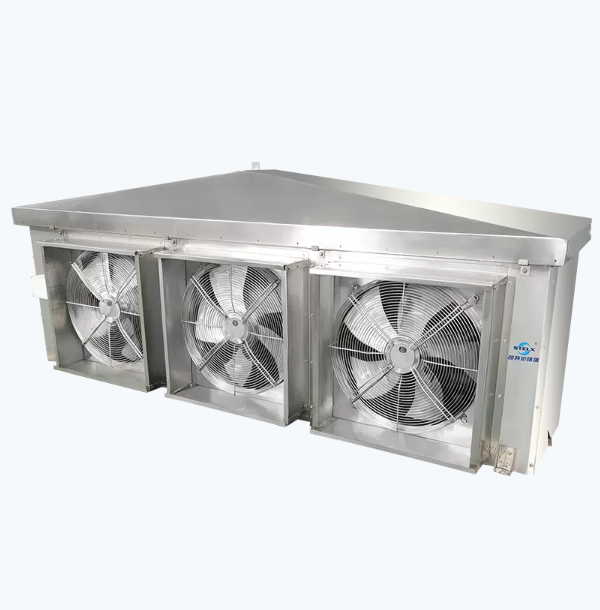
Corrosive environments, such as those found in chemical plants, coastal areas, or industries with high humidity, can severely affect cooling systems made of less durable materials. Stainless steel air coolers are built to resist the damaging effects of these environments, ensuring that the equipment continues to operate smoothly over time. The corrosion resistance of stainless steel prevents equipment failure, reducing the risk of operational downtime and costly repairs.
Stainless steel air coolers are designed to be energy-efficient, which is essential in maintaining cost-effective operations. Their superior thermal conductivity allows for faster heat exchange, leading to more effective cooling with less energy consumption. In industries where cooling is essential, such as food processing or pharmaceutical manufacturing, reducing energy usage is both environmentally beneficial and cost-saving. By improving energy efficiency, stainless steel air coolers help businesses reduce their operational costs while maintaining high standards of performance.
The design of stainless steel air coolers enables them to cool air more efficiently. Stainless steel’s heat transfer properties allow air coolers to work faster, leading to quicker temperature regulation in industrial spaces. This increased performance results in higher throughput for businesses, as products are cooled rapidly, ensuring they are ready for storage, transport, or use without unnecessary delays.
Advantage | Impact | Relevant Industry |
Corrosion Resistance | Stainless steel resists rust, corrosion, and damage from chemicals and moisture. This ensures long-term equipment reliability and reduced downtime. | Food Processing, Pharmaceuticals |
Energy Efficiency | High thermal conductivity enables faster heat exchange, resulting in quicker cooling cycles with lower energy consumption. | Food Processing, Chemicals |
Enhanced Cooling Performance | Faster cooling cycles improve throughput and ensure products are quickly cooled, ready for storage or transport. | Food Processing, Pharmaceuticals |
Low Maintenance | The durability of stainless steel reduces the need for frequent repairs, minimizing operational interruptions. | All Industries |
In industries that require strict temperature control, such as food processing and pharmaceuticals, stainless steel air coolers provide reliable cooling solutions. These coolers prevent contamination and ensure that temperature-sensitive products, such as vaccines or perishable foods, remain at the right temperature without risking quality loss due to corrosion or inefficient cooling. The non-corrosive nature of stainless steel ensures that the air coolers continue to function optimally, preserving the integrity of valuable products.
Chemical plants and manufacturing facilities often work with corrosive substances, which can damage standard cooling equipment. Stainless steel air coolers, however, are resistant to chemicals and harsh environmental conditions, making them an ideal choice for maintaining efficient cooling in these environments. These coolers help maintain a steady temperature in production areas, reducing the risk of overheating or system failures due to corrosion.
Coastal environments or areas exposed to saltwater and high humidity levels are particularly harsh on traditional air coolers. The saline air can corrode metal components, leading to equipment breakdowns and reduced lifespan. Stainless steel air coolers, however, are resistant to saltwater corrosion, making them a reliable solution for marine applications or cooling systems in coastal areas.
Industry | Benefit |
Food Processing | Ensures hygiene, prevents contamination, and preserves the quality of perishable goods through efficient cooling. |
Pharmaceuticals | Maintains the integrity of temperature-sensitive products like vaccines and biologics, preventing degradation. |
Chemical Manufacturing | Resists chemical damage, ensuring efficient cooling in environments exposed to corrosive substances. |
Marine & Coastal Environments | Withstands saltwater corrosion, ensuring reliable performance in coastal and marine applications. |
Stainless steel air coolers operate by circulating air over stainless steel evaporator coils, where heat is absorbed and transferred efficiently. These coils are meticulously designed to maximize the surface area for heat exchange, ensuring rapid cooling. As the air moves over the coils, its temperature is regulated, providing consistent and effective cooling. The superior heat transfer properties of stainless steel enable faster cooling cycles, resulting in higher efficiency and performance, especially in environments that demand quick and reliable cooling solutions.
The smooth surface of stainless steel is key to the efficiency of the cooling process. Not only does it help prevent microbial growth, but it also maintains high levels of heat transfer efficiency. A smooth finish minimizes surface friction, ensuring that air flows freely without hindrance. Additionally, it helps prevent dust and debris accumulation, which could otherwise obstruct airflow and degrade performance. The surface finish also plays a vital role in ensuring the longevity of the air cooler, as it reduces wear and tear and ensures consistent performance over time.
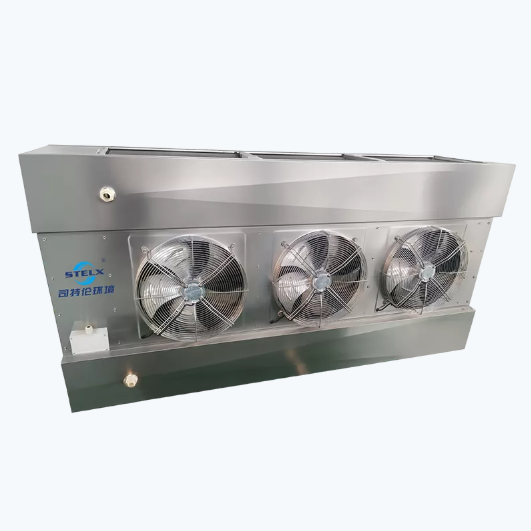
Stainless steel air coolers generally come with a higher upfront cost than aluminum or plastic alternatives. However, their long-term benefits far outweigh this initial expense. Due to their exceptional durability and resistance to corrosion, businesses can rely on stainless steel air coolers for many years. These coolers reduce the frequency of replacements and repairs, which saves money over time. Additionally, their long lifespan means less disruption to operations and a more consistent cooling process. The energy efficiency and lower maintenance needs of stainless steel coolers ensure that the savings continue to grow over the years, making them a smart, cost-effective investment for industries dealing with corrosive environments.
Stainless steel air coolers are engineered to maximize cooling efficiency while minimizing energy consumption. This translates into reduced electricity bills, which is a significant cost-saving benefit for businesses with heavy cooling requirements. The efficient use of energy also contributes to more environmentally sustainable operations, aligning with the growing emphasis on eco-friendly practices across industries. Additionally, the corrosion-resistant properties of stainless steel reduce the frequency and cost of maintenance. Businesses can expect fewer repairs and lower overall operating expenses, which further enhances the cost-effectiveness of these coolers. Over time, these savings, coupled with enhanced performance, make stainless steel air coolers a wise financial choice for companies looking to optimize both their budget and environmental impact.
While stainless steel air coolers may seem expensive initially, their long-term benefits far outweigh the upfront cost. Stainless steel offers exceptional durability, resistance to corrosion, and a longer lifespan compared to other materials, making it a more cost-effective option over time. The energy efficiency of stainless steel coolers also reduces operating costs, saving businesses money in the long run. Additionally, their minimal maintenance needs further enhance their value, as they require fewer repairs and replacements compared to cheaper, less durable alternatives.
Another common misconception is that stainless steel air coolers are difficult to maintain. In reality, these units are designed for easy upkeep. Their corrosion-resistant properties prevent rust and damage, ensuring that the equipment remains in good working condition for many years. Regular cleaning and occasional checks are usually sufficient to keep the system operating at peak efficiency. The robust nature of stainless steel reduces the frequency of repairs and ensures that the air cooler continues to function smoothly without complex maintenance procedures.
Material | Maintenance Requirements | Durability | Long-Term Cost |
Stainless Steel | Low maintenance, easy to clean, corrosion-resistant | Highly durable, resistant to corrosion | High initial cost, low long-term cost |
Aluminum | Requires more frequent maintenance, prone to corrosion | Moderate durability, corrodes over time | Medium initial cost, higher maintenance costs |
Plastic | High maintenance, prone to cracking and degradation | Low durability, especially in harsh conditions | Low initial cost, high replacement and maintenance costs |
Stainless steel air coolers provide a durable, reliable solution for corrosive environments. Their resistance to corrosion, energy efficiency, and high cooling performance make them ideal for industries like food processing, pharmaceuticals, and chemicals. By choosing stainless steel air coolers, businesses can boost operational efficiency, lower long-term costs, and maintain consistent product quality. At Stelx, our stainless steel air coolers ensure reliable cooling in harsh environments, offering long-term value for businesses.
A: Stainless steel air coolers are resistant to corrosion, making them ideal for environments with chemicals, moisture, or extreme temperatures. Their durability ensures long-lasting performance without frequent replacements.
A: Stainless steel air coolers are designed for better heat transfer, which speeds up the cooling process while reducing energy consumption. This makes them energy-efficient, lowering operational costs.
A: Yes, stainless steel air coolers are easy to maintain. Their corrosion-resistant properties require minimal maintenance, ensuring long-term reliability with occasional cleaning and checks.
A: While stainless steel air coolers have a higher initial cost, their durability, energy efficiency, and minimal maintenance requirements result in long-term savings. They reduce replacement and repair costs over time.


