Views: 0 Author: Site Editor Publish Time: 2025-10-22 Origin: Site
Ever wondered how your favorite frozen foods maintain their taste and texture? The secret lies in the blast freezer evaporator. These devices are crucial in the rapid freezing process, preserving food quality and flavor. In this post, you'll learn about the role of high-performance blast freezer evaporators in reducing product dehydration and enhancing food preservation.
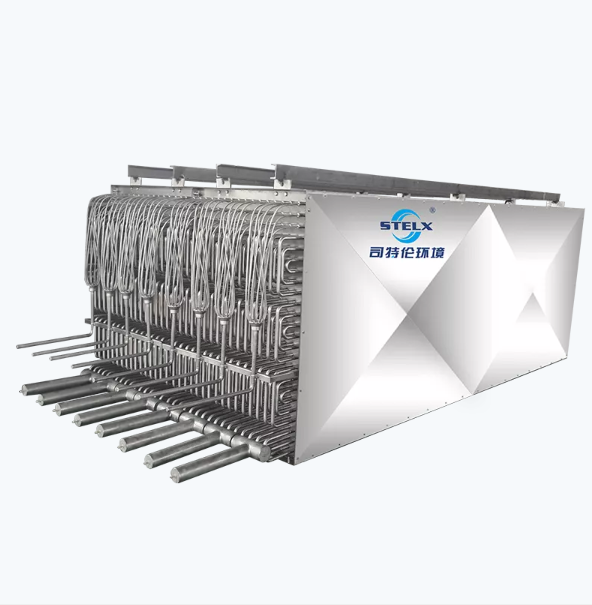
Blast freezer evaporators play a crucial role in rapidly lowering food temperatures, ensuring quick freezing that preserves quality. The evaporator is the heart of the refrigeration cycle in a blast freezer. It absorbs heat from the air inside the freezer, enabling cold air to circulate and freeze products quickly.
The evaporator’s primary job is to remove heat from the freezer's interior. It does this by circulating refrigerant through its coils, which absorbs heat from the air blown over them. This cooled air is then forced across the food products by powerful fans. The rapid airflow ensures cold air reaches every surface, speeding up the freezing process.Because freezing speed affects ice crystal size inside food, the evaporator must maintain very low temperatures and consistent airflow. Smaller ice crystals form during rapid freezing, causing less damage to food cells and preserving texture and moisture.
A typical blast freezer evaporator consists of:
· Refrigerant coils: These carry the refrigerant that absorbs heat from the air.
· Fans: High-capacity fans push cold air evenly throughout the freezer chamber.
· Drain pans: Collect moisture condensed during freezing to prevent ice buildup.
· Defrost mechanisms: Periodically remove frost from coils to maintain efficiency.
The evaporator works in tandem with the compressor and condenser. The compressor pumps refrigerant into the evaporator, where it expands and cools. Fans then distribute this cold air rapidly around the food. The evaporator’s design ensures optimal heat exchange by maximizing coil surface area and airflow.Advanced evaporators use multi-directional airflow, distributing cold air evenly to avoid hot spots and uneven freezing. This uniformity is essential for consistent product quality.
Rapid freezing, enabled by high-performance blast freezer evaporators, plays a critical role in preserving the moisture content of food products. When food freezes slowly, large ice crystals form inside its cells. These crystals puncture cell walls, causing moisture to leak out when the food thaws, leading to dehydration and a loss in texture and flavor.In contrast, blast freezers lower the temperature of food quickly, producing smaller ice crystals. These tiny crystals cause less cellular damage, helping the food retain its natural moisture. This rapid freezing “locks in” water molecules, reducing drip loss during thawing. As a result, products maintain juiciness, firmness, and overall quality.Moreover, the strong, consistent airflow from the evaporator ensures even freezing on all surfaces. This uniform freezing prevents localized dehydration, which can occur if some parts freeze slower than others. The controlled environment inside a blast freezer also minimizes moisture evaporation from the food surface during freezing.
Conventional freezers typically operate at higher temperatures and rely on slower cooling rates. This slow freezing allows larger ice crystals to develop, which compromises cell structure and leads to more moisture loss. Foods frozen this way often suffer from freezer burn—dry spots caused by moisture migrating out of the product and sublimating on the surface. Freezer burn degrades taste, texture, and appearance.In contrast, blast freezers rapidly bring down the temperature, significantly reducing the time food spends in the critical temperature range where ice crystals grow large. This speed prevents excessive moisture loss and maintains food integrity better than traditional freezing.Additionally, the advanced evaporator designs in blast freezers promote multi-directional airflow and maintain consistent low temperatures. These features ensure faster heat removal and reduce the risk of dehydration compared to conventional freezers that have less efficient air circulation.
High-performance blast freezers excel at preserving food quality by freezing products rapidly and evenly. This rapid freezing minimizes ice crystal size inside the food, which keeps cell walls intact. As a result, the texture, flavor, and nutritional value remain close to fresh. Foods frozen slowly often suffer from large ice crystals that rupture cells, causing texture loss and moisture leakage.The advanced evaporators in these freezers maintain consistent low temperatures and strong, multi-directional airflow. This uniform cold air distribution ensures every part of the product freezes quickly, avoiding uneven freezing or localized dehydration. It also reduces the risk of freezer burn, which occurs when moisture escapes and forms dry patches.In terms of safety, blast freezers quickly lower food temperatures through the danger zone for bacteria growth (between 5°C and 63°C). This rapid temperature drop inhibits microbial activity, reducing spoilage risk and enhancing food safety. Therefore, high-performance blast freezers help meet stringent food safety standards and HACCP guidelines.
By preserving food quality and preventing microbial growth, high-performance blast freezers significantly extend shelf life. The quick freezing process locks in moisture and nutrients, which slows down deterioration during storage. This extended shelf life reduces food waste and improves economic efficiency for food producers and retailers.Moreover, the efficient freezing process lowers the chance of oxidation and enzymatic changes that can degrade flavor and appearance. The product stays fresher longer, maintaining consumer appeal and market value.The ability to freeze large volumes quickly also supports better inventory management. Businesses can freeze surplus products promptly, avoiding losses due to spoilage. This flexibility supports menu expansion and seasonal product availability.
Optimizing the performance of a blast freezer is essential to preserving food quality and maximizing efficiency. Two key factors play a vital role: proper storage capacity and maintaining the correct storage temperature and installation.
Choosing the right storage capacity for your blast freezer is crucial. Overloading the freezer beyond its designed capacity can lead to uneven airflow and inadequate freezing. This causes the internal temperature to rise, reducing the freezing speed and increasing the risk of product dehydration and microbial growth.When the freezer is overloaded, cold air struggles to circulate properly around the food items. This results in some products freezing slower than others, which can cause inconsistent texture and quality. It also forces the refrigeration system to work harder, increasing energy consumption and wear on the equipment.To avoid these issues, plan storage capacity based on your site size, volume needs, and storage methods such as shelves or pallets. Always adhere strictly to the maximum capacity to ensure consistent freezing performance and prolong equipment life.
Maintaining the correct storage temperature is vital for product safety and quality. Blast freezers typically operate at temperatures between -25°C and -35°C (-13°F to -31°F). Regular temperature monitoring helps detect any fluctuations early, allowing prompt corrective action.Temperature fluctuations can cause partial thawing or slow freezing, which increases moisture loss and microbial risk. Use reliable temperature sensors and data loggers to track conditions inside the freezer continuously.Installation location also impacts freezing efficiency. Place the blast freezer in a clean, well-ventilated area with easy access for loading and unloading. Ensure enough clearance around the unit for proper air circulation and heat dissipation. Avoid placing the freezer near heat sources or in direct sunlight, as this increases the cooling load.Proper installation reduces operational costs by enhancing system efficiency and minimizing downtime. It also helps maintain stable internal temperatures, reducing stress on the refrigeration components.
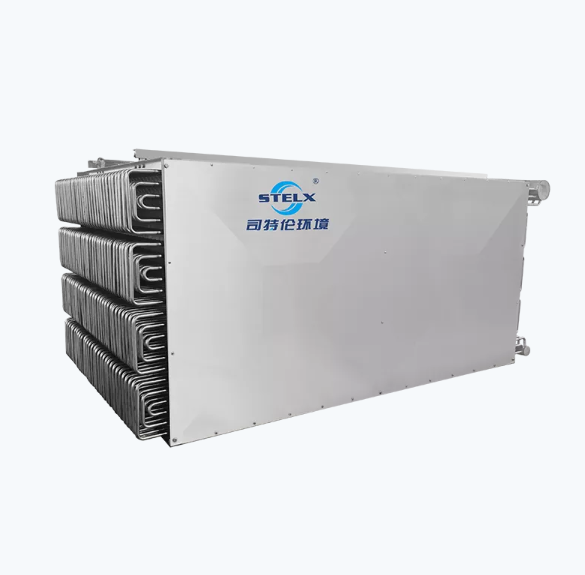
Blast freezer technology keeps evolving to deliver faster freezing, better food quality, and greater energy savings. Two key innovations stand out: advanced air circulation systems and self-diagnostics with maintenance features. These improvements help blast freezers perform more efficiently while protecting product integrity.
Airflow design is crucial in blast freezers. Traditional units often suffer from uneven cooling because cold air flows in one direction. This causes some products to freeze faster than others, wasting energy and risking overfreezing parts of the batch.Modern blast freezers use multi-directional airflow systems to solve this. Powerful fans push cold air in several directions, ensuring uniform temperature throughout the chamber. This even distribution means all products freeze at the same rate, reducing freezing time by up to 50% in some cases (example data, requires verification).Key features of advanced air circulation systems include:
· Laminar airflow: Smooth, steady air movement reduces turbulence and pressure drops, improving efficiency.
· Turning vanes and ducts: Guide air evenly around racks and pallets.
· High static pressure fans: Maintain strong airflow even through densely packed products.
· Air recirculation loops: Reuse chilled air effectively, minimizing temperature fluctuations.
These systems help maintain consistent low temperatures, prevent localized dehydration, and reduce freezer burn risk. They also lower energy consumption by avoiding overcooling some areas.
Keeping blast freezers running at peak efficiency requires regular maintenance. Frost buildup, blocked airflow, or compressor issues can degrade performance, increase energy use, and shorten equipment life.Newer blast freezers come equipped with self-diagnostic systems that monitor critical components continuously. These systems can detect:
· Frost accumulation on evaporator coils
· Fan motor malfunctions
· Refrigerant pressure anomalies
· Temperature sensor failures
When a problem arises, the system alerts operators immediately, allowing quick intervention before serious damage occurs. Some units provide maintenance reminders, such as condenser cleaning alerts, to keep equipment in top shape.Additional maintenance-friendly features include:
· Reverse cycle defrost: Uses the refrigeration cycle to melt frost without heating elements, saving energy.
· Modular components: Easy to replace parts reduce downtime.
· Remote monitoring: Enables off-site diagnostics and faster service.
Blast freezer evaporators rapidly freeze food, preserving moisture and texture by minimizing ice crystal formation. They ensure product quality and safety while extending shelf life. Future innovations in food preservation technology promise even greater efficiency and energy savings. STELX offers cutting-edge blast freezer evaporators that deliver these benefits, enhancing food preservation and reducing costs for businesses.
A: A Blast Freezer Evaporator is a critical component in blast freezers that helps rapidly lower food temperatures by removing heat from the air, ensuring quick and efficient freezing.
A: It reduces dehydration by creating small ice crystals during rapid freezing, preserving moisture and preventing cellular damage, thus maintaining the food's texture and quality.
A: Rapid freezing is vital as it minimizes ice crystal size, preserving food cell integrity, texture, and moisture, which conventional methods compromise.
A: Benefits include enhanced food quality, extended shelf life, reduced spoilage, and improved energy efficiency, making it cost-effective long-term.
A: Unlike conventional methods, a Blast Freezer Evaporator ensures rapid, uniform freezing, reducing dehydration and freezer burn, maintaining better food quality.


