Views: 0 Author: Site Editor Publish Time: 2025-10-20 Origin: Site
Industrial air coolers are pivotal in maintaining optimal temperatures in large spaces. Yet, their energy consumption poses challenges. Improving efficiency is crucial for reducing costs and environmental impact. In this article, we’ll explore modern designs that maximize energy efficiency in industrial air coolers, focusing on advanced fan technologies, optimized air circulation, and more.
Energy efficiency in industrial air coolers heavily depends on the fan technology used. Fans are the heart of these systems, moving air through cooling pads and into the workspace. Modern designs focus on smarter, more efficient fans that adjust to needs while saving energy.
Variable-speed fans adjust their speed based on real-time cooling demands. Instead of running at full power all the time, these fans slow down when less airflow is needed. This dynamic adjustment reduces energy use significantly during lower demand periods, like nights or cooler days.
· Energy Savings: By matching fan speed to actual cooling needs, energy consumption drops.
· Improved Comfort: These fans maintain steady temperatures without sudden blasts of air.
· Longevity: Reduced mechanical stress from variable speeds extends fan life.
This technology uses sensors to monitor temperature or humidity, then automatically changes fan speed. It’s a precise way to cool specific zones instead of entire spaces, enhancing efficiency.
Centrifugal fans differ from traditional axial fans by moving air radially. They generate higher air pressure, making them perfect for large industrial spaces needing powerful airflow.
· High Air Pressure: Moves air efficiently through ducts or long distances.
· Energy Efficiency: Uses up to 30% less electricity than axial fans due to aerodynamic design.
· Low Noise: Operates quietly, reducing workplace noise pollution.
Their design allows better air circulation in big warehouses or manufacturing plants, improving cooling distribution while consuming less power.
Combining variable-speed and centrifugal fans can optimize airflow and energy consumption. Variable-speed fans handle fluctuating demands smartly, while centrifugal fans ensure powerful, consistent airflow where needed.For example, a warehouse using centrifugal fans can circulate air effectively, and variable-speed control adjusts fan speeds based on temperature changes throughout the day, cutting energy waste.
Efficient air circulation is key to maximizing energy savings in industrial air coolers. By designing systems that direct airflow exactly where needed, these coolers avoid wasting energy on unnecessary areas. Two main strategies stand out: advanced air distribution systems and zoned cooling.
Air distribution systems use ducts, louvers, and vents to guide cooled air through a facility. Instead of blowing air randomly, these systems channel airflow to high-traffic or heat-prone zones. This targeted approach ensures every part of the space receives the right amount of cool air.
· Strategic Placement: Positioning ducts and vents near heat sources or workstations boosts cooling efficiency.
· Controlled Flow: Adjustable louvers help regulate airflow direction and volume, adapting to changing needs.
· Reduced Energy Waste: By focusing cooling where necessary, less energy is spent on overcooling unoccupied areas.
For example, a manufacturing plant may install ducts that deliver cool air directly to assembly lines, improving worker comfort while cutting energy use elsewhere.
Zoned cooling divides a facility into separate areas or "zones," each with independent temperature control. Instead of cooling the entire building uniformly, the system cools zones based on occupancy and heat load.
· Energy Savings: Cool only occupied or high-heat zones, reducing energy use during off-hours or low activity.
· Custom Comfort: Different zones maintain tailored temperatures, improving comfort for diverse work environments.
· Scalability: Easily add or adjust zones as facility layout or usage changes.
Zoned cooling often pairs with sensors that detect occupancy or temperature, enabling automatic adjustments. For instance, a warehouse might cool storage areas less during nights while maintaining cooler temperatures in loading docks.
Together, air distribution systems and zoned cooling maximize airflow efficiency. This reduces energy consumption, lowers costs, and improves cooling performance. Facilities experience fewer hot spots and better air quality, supporting worker productivity and equipment longevity.
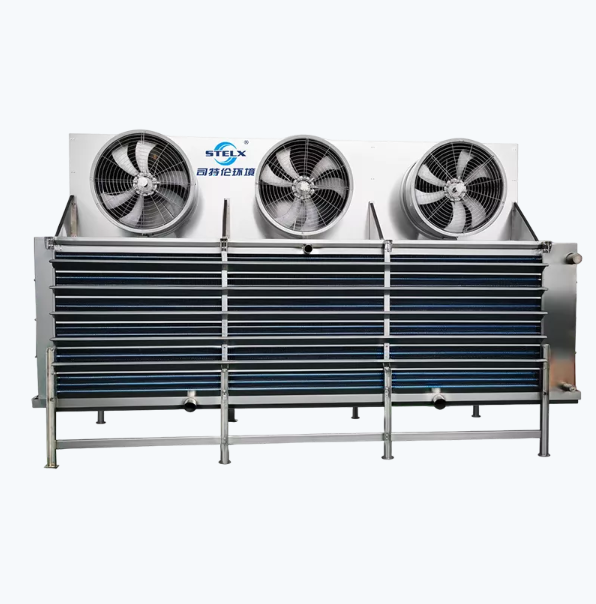
Cooling pads are crucial for evaporative industrial air coolers. They increase the surface area where water evaporates, lowering air temperature efficiently. Modern designs focus on materials and construction that boost water retention and durability, while being environmentally friendly.
New cooling pads use advanced materials that hold more water longer. This means pads stay moist, improving evaporation and cooling performance without increasing water use.
· Improved Cooling Efficiency: More water means better heat absorption and cooler air output.
· Consistent Performance: Pads maintain moisture even during heavy airflow or dry conditions.
· Reduced Water Consumption: Efficient retention cuts down on the frequency water needs replenishing.
Materials like cellulose treated with special coatings or synthetic fiber blends are common. They resist drying out quickly and support steady evaporation over long periods.
Industrial environments demand cooling pads that last. Modern pads use tough, corrosion-resistant materials that withstand harsh conditions.
· Longevity: Resistant to mold, mildew, and mechanical wear, reducing replacement frequency.
· Eco-Friendly: Many pads are recyclable or made from biodegradable substances, lowering environmental impact.
· Low Maintenance: Durable pads require less cleaning and upkeep, saving labor and downtime.
For example, some pads use stainless steel frames and biodegradable cellulose media, combining strength and sustainability.
High-water-retention and durable pads improve overall system efficiency. They ensure coolers operate at peak performance, saving energy by reducing fan load and water waste.In a large warehouse, upgrading to these pads can improve cooling output by up to 15%, cutting energy costs and increasing worker comfort (example data, requires verification).
Water management plays a crucial role in the efficiency of industrial air coolers, especially those using evaporative cooling. Using water smartly not only saves this precious resource but also boosts cooling performance and cuts energy costs. Modern industrial air coolers now include innovative water recycling systems and automated water distribution technologies to optimize usage.
Water recycling systems collect and treat used water from the cooling process, then reuse it. This reduces fresh water consumption and lowers operating costs. These systems typically include filtration units that remove impurities, preventing buildup and damage in the cooling pads.
· Sustainability: Reusing water conserves resources and supports eco-friendly operations.
· Cost Savings: Less water use means reduced water bills and fewer refill interruptions.
· System Longevity: Cleaner water minimizes mineral deposits and corrosion, extending equipment life.
For example, a factory with a water recycling system can cut water consumption by up to 40%, significantly lowering utility expenses (example data, requires verification).
Automated water distribution uses sensors and smart controls to deliver the right amount of water to cooling pads. Instead of constant or manual watering, these systems monitor pad moisture levels and adjust water flow accordingly.
· Precision Moisture Control: Keeps pads optimally wet for maximum evaporation without oversaturation.
· Energy Efficiency: Prevents water waste and reduces the energy needed to pump excess water.
· Reduced Maintenance: Avoids issues like mold growth or pad deterioration caused by overwatering.
This technology often integrates with building management systems or IoT platforms, allowing remote monitoring and adjustments. For instance, sensors detect dry pads during hot shifts and increase water flow, then scale back when humidity rises.
Smart water management ensures evaporative coolers operate efficiently while conserving water. It reduces environmental impact and operational expenses, making industrial cooling more sustainable and cost-effective. Facilities benefit from consistent cooling performance and longer-lasting equipment.
Industrial air coolers are evolving beyond traditional power sources. Integrating renewable energy, especially solar power, is becoming a game-changer for energy efficiency and sustainability. These advances reduce reliance on the grid and cut operational costs while supporting environmental goals.
Solar-powered air coolers use photovoltaic (PV) panels to convert sunlight into electricity. This clean energy powers the cooling system, reducing or even eliminating electricity bills during sunny periods.
· Energy Independence: Solar panels allow coolers to operate off-grid or reduce grid dependency.
· Cost Savings: Using free solar energy lowers long-term operating expenses.
· Eco-Friendly: Solar power cuts greenhouse gas emissions, supporting corporate sustainability initiatives.
· Reliability: Modern solar systems include battery storage or grid backup to ensure continuous operation.
For example, a manufacturing plant installing solar-powered coolers can reduce energy costs by up to 40% during peak sunlight hours (example data, requires verification). These systems often pair well with variable-speed fans and smart controls to optimize energy use.
Hybrid air coolers combine solar power with traditional electricity sources. This setup ensures reliable cooling even when sunlight is insufficient, such as during cloudy days or nighttime.
· Seamless Switching: Automatically toggles between solar and grid power to maintain consistent cooling.
· Maximized Efficiency: Solar energy is used first, minimizing grid electricity consumption.
· Flexibility: Suitable for facilities with variable energy needs or inconsistent solar exposure.
· Lower Carbon Footprint: Even partial solar use significantly reduces emissions.
Hybrid systems often integrate with IoT controls to monitor energy sources and optimize usage dynamically. For instance, a warehouse might use solar power during the day and switch to grid electricity at night, balancing cost and reliability.
Incorporating renewable energy into industrial air coolers aligns with growing corporate responsibility and regulatory trends. It enhances energy efficiency, reduces operational costs, and supports environmental stewardship.Businesses adopting solar or hybrid coolers improve resilience against energy price fluctuations and power outages. They also benefit from incentives like tax credits or rebates for renewable energy use, improving return on investment.
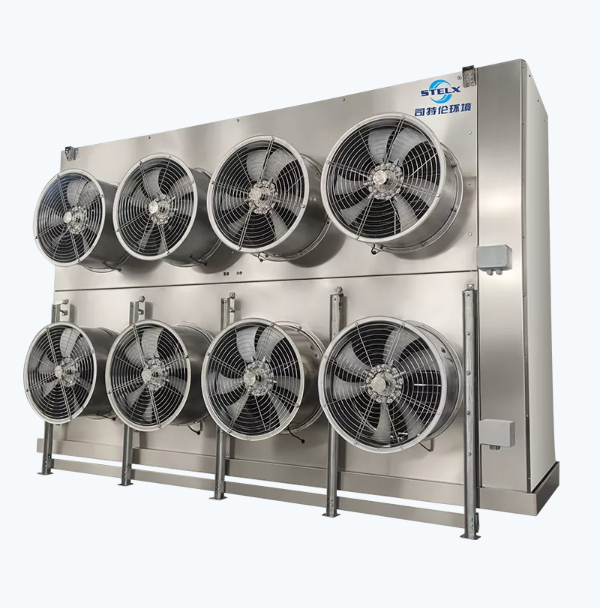
Energy-efficient industrial air coolers rely heavily on smart control technologies to maximize savings and performance. These controls use real-time data and automation to adjust cooling operations precisely, avoiding waste and ensuring comfort. The main components include IoT integration, automated schedules, and real-time monitoring.
Internet of Things (IoT) integration connects industrial air coolers to a network of sensors and devices. These sensors gather data on temperature, humidity, airflow, and occupancy levels. The system then analyzes this data and adjusts cooling parameters automatically.
· Precision Control: Cooling output matches actual needs, reducing energy waste.
· Remote Access: Facility managers can monitor and adjust settings anytime, anywhere.
· Predictive Maintenance: IoT detects anomalies early, preventing costly breakdowns.
For example, an IoT-enabled cooler in a factory can reduce fan speed during low occupancy or cooler weather, saving energy without sacrificing comfort. It can also alert maintenance teams when filters or pads need replacement.
Automated scheduling programs cooling systems to operate only when necessary. These schedules consider work shifts, production cycles, and facility usage patterns.
· Energy Savings: Systems shut down or reduce output during off-hours or weekends.
· Consistency: Maintains optimal temperatures during busy periods without manual intervention.
· Flexibility: Easily updated schedules adapt to changing operational needs.
A warehouse might program coolers to ramp up before workers arrive and scale back after shifts end. This avoids running coolers unnecessarily, cutting electricity bills.
Real-time monitoring dashboards display current system performance and energy consumption. These insights help managers make informed decisions and optimize operations.
· Transparency: Clear visibility into energy use highlights inefficiencies.
· Data-Driven Adjustments: Identifies opportunities to fine-tune settings for better savings.
· Reporting: Generates reports for compliance, budgeting, and sustainability goals.
For instance, a manufacturing plant can track cooler energy spikes during peak heat and adjust controls to balance comfort and cost.
Smart controls transform industrial air coolers from simple machines into adaptive systems. By continuously adjusting to environmental and operational changes, they minimize energy use while maintaining effective cooling. These technologies also extend equipment life by reducing strain and enable proactive maintenance.
Energy-efficient industrial air coolers offer several advantages that directly impact operational costs, environmental responsibility, and overall system performance. These benefits make them a smart investment for businesses aiming to optimize cooling while minimizing expenses and carbon footprint.
One of the most immediate benefits of energy-efficient cooling technologies is the reduction in operating expenses. Advanced components like variable-speed fans and high-performance cooling pads consume less electricity. Smart controls further trim energy use by adjusting cooling based on real-time needs. This means companies pay less on energy bills without sacrificing comfort or productivity.
· Reduced Energy Consumption: Matching cooling output to demand avoids wasting power.
· Longer Equipment Life: Less strain on fans and motors cuts repair and replacement costs.
· Lower Water Bills: Efficient water management reduces water use, saving on utilities.
For example, a manufacturing facility installing smart-controlled air coolers reported energy savings of up to 30%, significantly lowering monthly costs (example data, requires verification).
Energy-efficient air coolers help businesses shrink their environmental impact. Using less electricity means fewer greenhouse gas emissions from power plants. When paired with renewable energy sources like solar power, these systems become even greener.
· Lower Emissions: Efficient operation reduces CO2 output.
· Sustainable Practices: Water recycling and durable materials lessen resource waste.
· Supports Corporate Goals: Helps meet sustainability targets and regulatory compliance.
This eco-friendly approach appeals to customers and stakeholders who value responsible business practices.
Beyond cost and environmental benefits, energy-efficient designs enhance cooling effectiveness. Technologies like optimized air circulation and high-retention cooling pads maintain consistent temperatures and airflow. Smart controls prevent overcooling or hot spots, ensuring comfortable conditions for workers and equipment.
· Consistent Cooling: Maintains stable temperatures in large or complex spaces.
· Enhanced Air Quality: Proper ventilation reduces dust and contaminants.
· Reduced Maintenance: Durable components lower downtime and service needs.
For instance, warehouses using zoned cooling and smart sensors experience fewer temperature fluctuations, boosting worker comfort and product preservation.
Energy-efficient industrial air coolers suit a wide range of sectors, from manufacturing to agriculture. Their modular designs and smart controls allow customization to specific needs.
· Manufacturing: Tailored cooling during production cycles saves energy.
· Agriculture: Solar-powered coolers protect crops while conserving resources.
· Warehousing: Zoned cooling targets storage areas, reducing waste.
· Data Centers: Precise temperature control safeguards sensitive equipment.
This versatility ensures businesses across industries can benefit from energy savings and improved cooling performance.
Maximizing energy efficiency in industrial air coolers involves advanced fan technologies, optimized air circulation, high-performance cooling pads, smart water management, renewable energy integration, and smart controls. These innovations enhance cooling performance, reduce costs, and support environmental goals. The future of industrial air coolers lies in continued technological advancements and sustainable practices. For businesses seeking cutting-edge solutions, STELX offers products that deliver exceptional value, combining efficiency with reliability. Explore STELX to discover how their solutions can transform your cooling systems for optimal performance and sustainability.
A: Industrial Air Coolers are cooling systems used in large spaces, utilizing technologies like variable-speed fans and high-performance cooling pads to enhance energy efficiency.
A: Variable-speed fans adjust their speed based on cooling needs, reducing energy consumption by operating only as needed.
A: Centrifugal fans in Industrial Air Coolers offer high air pressure and energy efficiency, ideal for large industrial spaces needing powerful airflow.
A: Industrial Air Coolers using solar power reduce grid dependency, lower operational costs, and support eco-friendly initiatives.


