Views: 0 Author: Site Editor Publish Time: 2025-10-27 Origin: Site
Ever wondered why your frozen foods remain fresh and tasty? Blast freezer evaporators play a crucial role in preserving food quality by rapidly lowering temperatures. Selecting the right material for these evaporators is vital for durability and performance. In this post, you'll learn about the benefits and challenges of using stainless steel versus aluminum in blast freezer evaporators.
A blast freezer evaporator is a key component in blast freezing systems. It’s responsible for removing heat from the air inside the freezing chamber. This process quickly lowers the temperature of food products, preserving freshness and quality. The evaporator absorbs heat from the air and transfers it to the refrigerant circulating within the system.
The main function of the evaporator is rapid heat absorption to enable fast freezing. This prevents large ice crystals from forming in food, which can damage texture and taste. Blast freezer evaporators are widely used in food processing plants, seafood storage, meat packing, and other industries requiring quick freezing.
Applications include:
· Freezing fresh produce
· Preserving seafood and meat
· Preparing frozen meals
· Pharmaceutical storage requiring low temperatures
The evaporator must perform efficiently to maintain consistent temperature and humidity levels inside the blast freezer. Any compromise can affect product quality and shelf life.
Material selection for evaporators impacts durability, performance, and maintenance costs. It must withstand cold temperatures, moisture, and potential corrosion from food acids or cleaning agents. The right material also affects heat transfer efficiency, which is crucial for fast freezing.Two common materials are stainless steel and aluminum. Each offers unique benefits and challenges related to strength, corrosion resistance, thermal conductivity, and weight. Choosing the right one depends on the specific needs of the blast freezer application.
Stainless steel is renowned for its impressive strength and durability. It can handle heavy mechanical loads and resist deformation under stress, making it ideal for evaporator coils exposed to constant pressure and vibration. This toughness helps ensure the evaporator’s structural integrity over long periods, even in demanding blast freezer environments. Its hardness also protects against dents and surface damage during installation or maintenance.
One of stainless steel’s standout traits is its excellent corrosion resistance. Thanks to a high chromium content, stainless steel forms a passive oxide layer that shields it from rust and corrosion caused by moisture, acids from food products, or cleaning chemicals. This resistance extends the lifespan of evaporators, reducing the need for frequent replacements or repairs. In harsh cold and humid conditions typical of blast freezers, stainless steel maintains its integrity and appearance better than many other metals.
While stainless steel offers many benefits, its thermal conductivity is lower than aluminum’s. This means it transfers heat less efficiently, which can impact the speed of freezing cycles. However, stainless steel’s durability and corrosion resistance often outweigh this drawback in applications where reliability and longevity are priorities. Manufacturers can optimize coil design to compensate for lower conductivity, ensuring effective heat exchange and maintaining freezing performance.
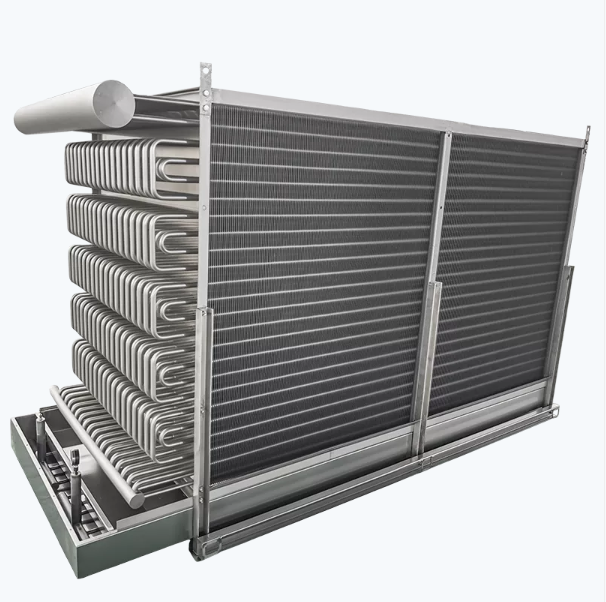
Aluminum stands out for its lightweight properties. It weighs about one-third as much as stainless steel, making it a preferred choice when reducing overall equipment weight is crucial. This lightness simplifies installation and handling of evaporator coils, especially in large blast freezer systems where minimizing structural load is beneficial. It also lowers transportation costs and can reduce energy consumption during operation due to less mass needing to be cooled.
Aluminum naturally forms a thin oxide layer on its surface, which protects it from corrosion. This makes aluminum evaporators resistant to rust in moist, cold environments typical of blast freezers. However, aluminum is more susceptible to certain types of chemical corrosion or pitting, especially when exposed to strong alkaline or acidic cleaning agents. Regular maintenance and careful selection of cleaning chemicals help preserve aluminum’s surface integrity and performance. Despite this, aluminum often requires less intensive upkeep compared to other metals prone to rust.
One of aluminum’s biggest advantages is its high thermal conductivity, which is roughly three times greater than stainless steel. This allows aluminum evaporators to transfer heat more rapidly, improving freezing speed and efficiency. Faster heat transfer means the blast freezer can reach target temperatures quicker, preserving food quality better. Aluminum coils often require less surface area than stainless steel to achieve the same cooling effect, potentially reducing material costs and space requirements.
Stainless steel is much stronger and harder than aluminum. It can handle heavy mechanical loads and resist dents or deformation. This makes stainless steel ideal for evaporator parts that face constant pressure or impact during operation and maintenance. Aluminum, on the other hand, has lower strength and hardness. It’s more prone to bending or scratching under stress but still performs well in applications where heavy loads are not common. For blast freezer evaporators requiring rugged durability, stainless steel often has the advantage.
Weight is a major difference between these metals. Stainless steel is dense and heavy, about three times heavier than aluminum. This extra weight can increase the structural load on the blast freezer framework and complicate installation. Aluminum’s light weight makes it easier to handle and reduces overall equipment weight. This can lower transportation costs and improve energy efficiency during operation since less mass needs cooling. When weight reduction is critical, aluminum is usually preferred.
Stainless steel generally costs more than aluminum, both in raw material price and processing. It’s harder to machine and weld, which raises fabrication time and expenses. Aluminum is easier to work with, allowing faster production and lower labor costs. However, the initial savings with aluminum might be offset by shorter lifespan or higher maintenance if the environment is harsh. Choosing between them requires balancing upfront costs against long-term durability and performance.
Factor | Stainless Steel | Aluminum |
Strength and Durability | Highly durable, resistant to mechanical stress, ideal for heavy-duty environments | Lower strength, more prone to bending or scratching, suitable for moderate stress applications |
Corrosion Resistance | Excellent corrosion resistance, ideal for harsh environments like food processing plants | Good corrosion resistance but may require more maintenance, especially in harsh cleaning environments |
Thermal Conductivity | Lower thermal conductivity, can impact freezing speed but mitigated by design | High thermal conductivity, improves freezing speed and efficiency |
Weight | Heavier, increases structural load and installation complexity | Lightweight, easier to handle, reduces overall system weight and energy consumption |
Cost | Higher initial cost, more expensive to machine and fabricate | Lower initial cost, easier to fabricate, more cost-effective upfront |
Maintenance | Requires less maintenance over time, durable and long-lasting | May need more frequent maintenance due to corrosion risks, especially from harsh chemicals |
Ideal Applications | Heavy-duty, corrosive environments, long-term reliability needed | Lightweight systems, energy-efficient applications, applications needing fast freezing cycles |
Environmental Impact | Can be recycled without loss of properties, energy-intensive to produce | Highly recyclable, less energy-intensive to produce, but may require more maintenance |
Stainless steel is the go-to choice for blast freezer evaporators in harsh environments demanding high strength and corrosion resistance. It excels in settings where durability matters most, such as:
· Food processing plants handling acidic or salty products, where corrosion resistance prevents material degradation.
· Meat and seafood freezing facilities requiring frequent cleaning with strong chemicals.
· Pharmaceutical cold storage needing reliable, long-lasting equipment that withstands mechanical stress.
· Heavy-duty industrial blast freezers exposed to vibration and impact during operation.
Its toughness makes stainless steel ideal when evaporators must resist dents, deformation, and corrosion over years. Though thermal conductivity is lower, design adjustments can keep freezing performance high.
Aluminum shines where weight and thermal efficiency are top priorities. Its lightweight nature and excellent heat transfer make it perfect for:
· Large-scale blast freezers where reducing structural load lowers installation complexity and costs.
· Mobile or modular freezing units needing easy handling and transport.
· Facilities prioritizing energy efficiency, since aluminum’s high thermal conductivity speeds up freezing cycles.
· Applications with moderate mechanical stress, where lighter materials suffice.
Aluminum evaporators require careful maintenance to avoid corrosion from harsh cleaning agents but generally offer lower upfront costs and ease of fabrication.
· Seafood Processing Plant: A facility switched to stainless steel evaporators to handle the corrosive saltwater environment. The upgrade reduced maintenance downtime and extended equipment life despite a slightly higher initial cost.
· Frozen Food Manufacturer: Opted for aluminum evaporators in their new blast freezer line to cut weight and improve freezing speed. The choice lowered energy consumption and simplified installation, proving cost-effective over time.
· Pharmaceutical Cold Storage: Stainless steel evaporators were selected for their strength and chemical resistance, ensuring compliance with strict hygiene standards and minimizing contamination risk.
· Modular Cold Storage Units: Used aluminum coils to keep units lightweight and portable, facilitating quick deployment in temporary or remote sites.
These examples highlight how material choice aligns with operational needs, balancing durability, cost, weight, and thermal performance.
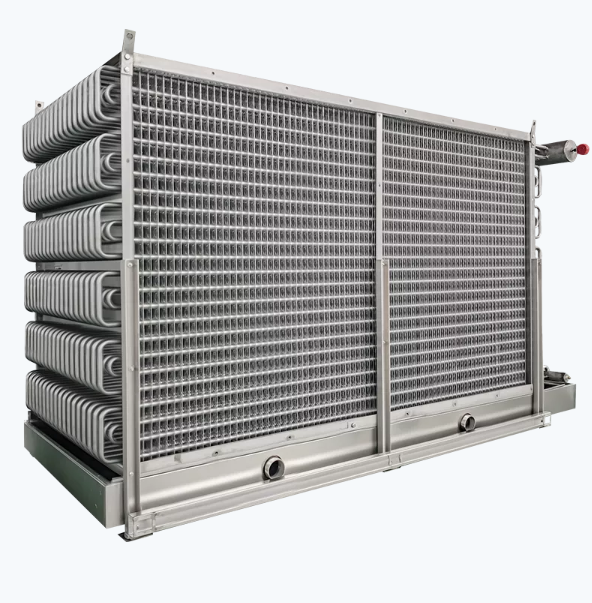
Both stainless steel and aluminum rank high in sustainability due to their recyclability. Stainless steel can be recycled repeatedly without losing strength or corrosion resistance. Recycling stainless steel saves significant energy compared to producing new material from raw ore. Similarly, aluminum is highly recyclable and recycling it saves up to 95% of the energy needed to make new aluminum. This makes both materials environmentally friendly choices for blast freezer evaporators. Choosing recycled material content can further reduce the environmental footprint of manufacturing evaporators.
When budgeting for blast freezer evaporators, consider both upfront and long-term costs. Stainless steel usually has a higher initial cost due to expensive raw materials and more complex fabrication processes. However, its durability and low maintenance needs can reduce replacement and repair expenses over time. Aluminum tends to cost less initially and is easier to fabricate, lowering labor and production costs. But it may require more frequent maintenance or earlier replacement in harsh environments, potentially increasing lifetime costs. A thorough cost-benefit analysis should factor in operating conditions, maintenance, and expected lifespan.
Stainless steel offers long-term benefits such as superior corrosion resistance and mechanical strength, which translate to fewer failures and longer service life. This reliability minimizes downtime and maintenance costs, critical in continuous blast freezer operations. However, its heavier weight may increase energy consumption during cooling and complicate installation.
Aluminum’s lightweight and excellent thermal conductivity can improve energy efficiency and ease handling. These advantages are beneficial in systems where weight reduction and faster freezing cycles matter. The downside is aluminum’s lower mechanical strength and vulnerability to certain chemical corrosion, which might shorten equipment lifespan or increase upkeep.
Stainless steel and aluminum are both viable materials for blast freezer evaporators, each with unique strengths. Stainless steel offers durability and corrosion resistance, while aluminum provides lightweight and efficient heat transfer. When selecting materials, consider your specific needs, such as environmental conditions and cost. Future trends may focus on enhancing these materials' sustainability and performance. For reliable solutions, consider STELX products, which deliver exceptional value through innovative design and superior material choice, ensuring optimal performance in demanding environments.
A: A blast freezer evaporator is a crucial component in blast freezing systems, responsible for rapidly removing heat from the air to preserve food quality.
A: Stainless steel offers excellent corrosion resistance and durability, making it ideal for harsh environments requiring long-term reliability.
A: Aluminum's lightweight and high thermal conductivity enhance freezing efficiency and reduce equipment weight, ideal for energy-efficient systems.


